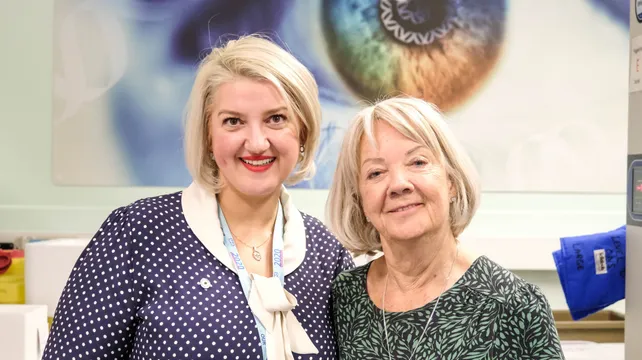
One day in 2011, the States put out an advert for volunteers. The roles required to be filled would involve extensive training and those chosen would end up having to make decisions that would profoundly influence the lives of some of the Bailiwick’s more vulnerable children and young people. Those decisions could also be subject to appeals which might be heard in court. Quite an onerous brief.
In the event, a hundred or more people crammed into one of the rooms overlooking the swimming pool at Beau Sejour, wanting to find out more. Among them was a young accountant called Ashley.
‘I went away to train as a social worker but when I returned to the island in 1981, there was no call for children’s social workers but a great call for accountants,’ she says.
The call for help therefore aligned with Ashley’s own calling and would allow her to make a contribution to the community in keeping with her skill set, while not interfering (too much) with her day job.
Ashley stepped down this year at the end of a 13-year stint as a member of the Child, Youth and Community Tribunal – of which she spent six years as president.
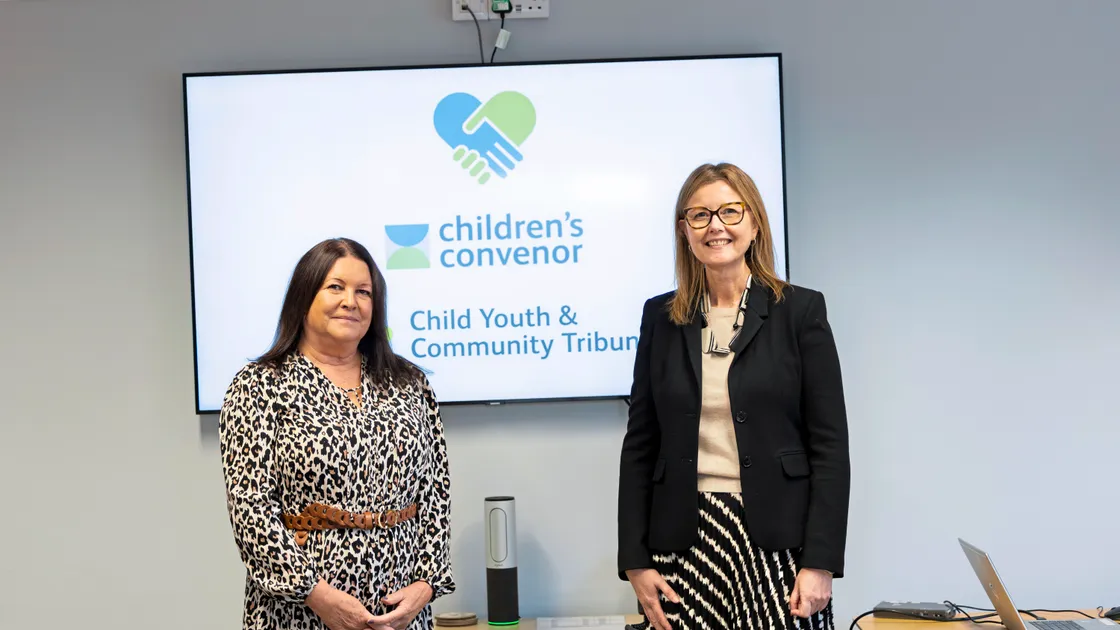
I go to meet Ashley Rawles in the room at Briarwood in St Martin’s where the tribunal hearings take place, and we’re joined by the island’s only ever children’s convenor, appointed in 2009 and now well into her 17th year in the role.
So why, I ask Karen Brady, does Guernsey need a children’s convenor and how does she work with the tribunal?
‘The children’s convenor is appointed to make independent decisions about children and young people when there might be a need for what they call “compulsory intervention” in their lives,’ she says.
‘That’s really when the state has to step in to ensure a child is being properly cared for, protected and safeguarded. Anyone can make a referral to the service – a member of the public or the children themselves – but most of the referrals we receive come from other agencies such as law enforcement, social care, health or education.’
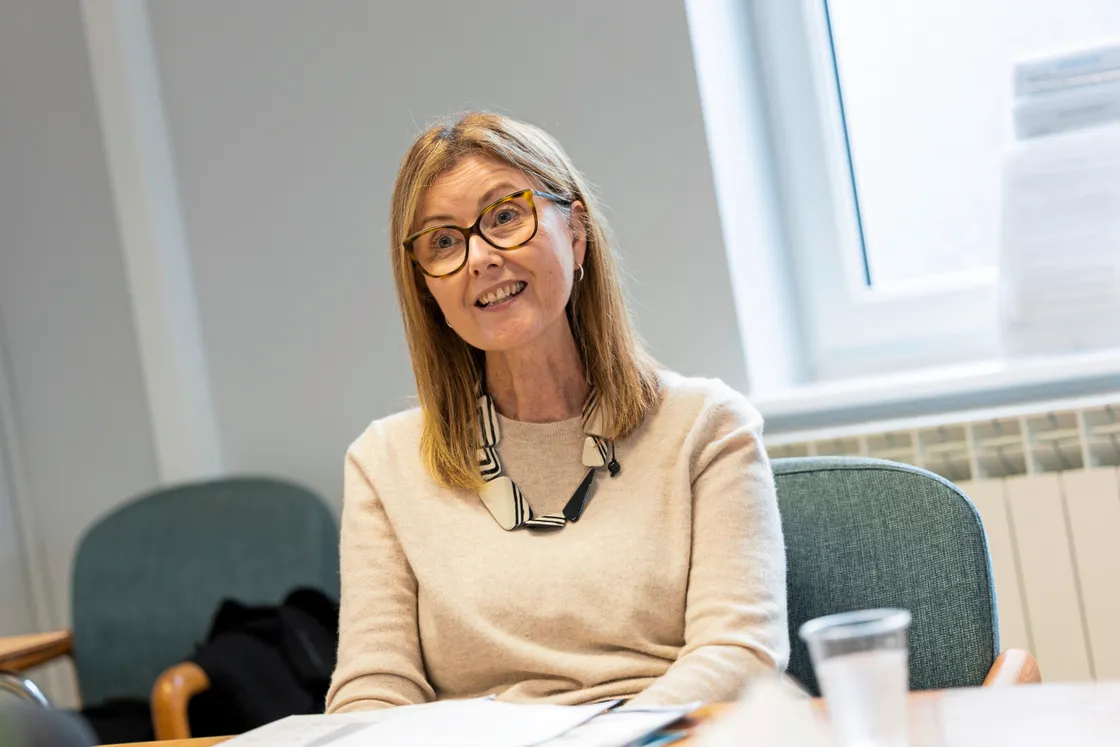
Karen explains that these referrals may be prompted by ‘concerns about the level of care they’re receiving, if they’re being neglected or physically abused, if they’re alleged to have committed criminal offences – any under-18 who commits a crime is referred to the convenor – if they’re not attending school regularly, or misusing drugs or alcohol, or if they’re beyond the control of their parents’.
These referrals can typically number 270-400 annually, relating to about 200 individual children, with about 50-100 being under consideration at any one time.
Karen says these numbers equate to what is seen in Scotland – the jurisdiction on whose Guernsey’s system is based – albeit taking into account that Guernsey decided on an upper age limit of 18 rather than 16. She worked ‘in a more strategic position’ as head of practice in Scotland’s national organisation before her appointment to the Guernsey role.
‘My primary role is to make decisions about which of those children should be referred to the tribunal,’ Karen says.
Both Ashley and Karen are keen to explain the key advantages of this tribunal system.
‘One of the defining features is that children can be referred for a whole range of reasons but they are discussed in the one place,’ Karen says.
‘In England and Wales, decisions that are made about children and young people are all made in court, whereas Scotland and Guernsey have the tribunal. So the decision-makers are trained members of the local community, who understand that community – its resources and the issues that affect children living there.’
‘I haven’t met anyone yet who’s come into the system – either to work or volunteer within it – who hasn’t been really blown away by what it’s able to offer to young people, who are absolutely at the centre.’
In addition, she explains, decisions in England and Wales are made by different people in different courts depending on which agency has prompted the hearing, whereas when Guernsey’s tribunal is looking at a child, ‘they’re looking at all of the issues that affect that child holistically’.
‘A child might not be attending school,’ Ashley says, ‘but if you dig a little deeper you understand that there are some reasons why – it might be because of some difficulties faced by the family.’
There are currently 37 tribunal members, each of whom has been sworn in by the Royal Court following 45-60 hours of training. They’re all on a rota to ensure that three are available for each hearing, of which there are five or six per week. They must all do at least two hearings each month, in order to maintain their skill set – a bit like a pilot’s flying hours – although there are also two mandatory training modules to be completed annually.
This is all quite a lot to fit around a day job but the advantage to taxpayers is that a key and responsible decision-making role is being undertaken by trained and trusted volunteers rather than by paid judges or jurats.
The £922,000 allocated to ‘Children’s convenor’ in the 2026 Health & Social Care budget is for all costs including the convenor herself, plus two deputy convenors with legal training, and three further assistant convenors. And, with the workload being demand-led and unpredictable, resources are sometimes seconded from Scotland for three-month periods when necessary.
The convenor – or a delegated colleague – is present at all tribunal hearings to keep a record and to provide information and procedural advice. They will step in if the tribunal members are straying from legal requirements but they are not involved in decision-making.
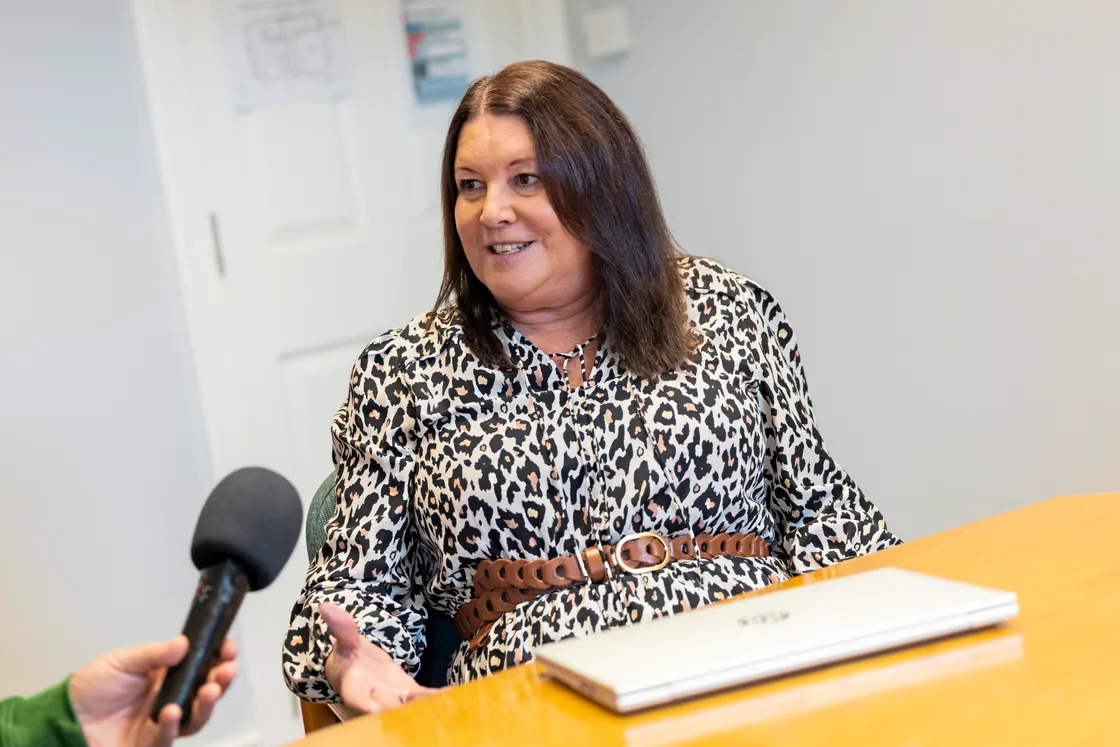
Karen and Ashley are agreed that the whole system is considerably more efficient than what went before, not least because there is flexibility in each legally enforceable order, with the ability to set time frames for review built in. Changing a decision made in a court, requires a new court date.
Ours being a small community, you might expect conflicts of interest to arise on a regular basis, but Ashley says these occur ‘less frequently than you’d think’.
Decisions made at tribunals include adapted school timetables to combat low attendance, support for families where welfare is an issue and, in the relatively few criminal cases, ‘getting the young person to understand that what they’ve done is not acceptable and getting them to take accountability for it,’ as Ashley puts it.
Tribunals can only take place with the agreement of the families and young people involved. Otherwise, Karen is required to establish any reported concerns through the courts.
But for all the import of the decision making, the atmosphere is kept as informal as possible.
‘The environment here is quite informal,’ says Ashley, ‘because we want to have the engagement of young people. We don’t want them to feel intimidated. I’ve spoken to a young person outside in the sunshine on a bench during a tribunal hearing because it’s essential we hear their voice and if we have to facilitate that a different way, then we will.’
I ask whether it’s possible to identify the root causes that result in children appearing before them in the first place.
‘Drugs and alcohol can play a part,’ says Ashley, ‘as can domestic abuse and also poverty. There’s a perception that Guernsey is very affluent and that there’s nobody who’s struggling to put food on the table. Sadly, that’s not true. Often you find that if a child isn’t attending school, it’s not just because they don’t want to go. They often have family circumstances that are preventing them from going. They don’t need judgement, they need support.’
This ethos of assistance in preference to correction extends to the practice of all tribunal members standing to greet families and children as they enter – something of a contrast to the tradition of everyone standing in court as the judge arrives.
Reflecting on the success of the system, Ashley credits the ‘buy-in from our partners, whether they be social workers, school attendance officers or law enforcement’ and sees the rarity of appeals as confirmation that all parties benefit.
After her service as tribunal president, Ashley is now on the board of the Office of the Children’s Convenor, appointed by HSC. The board in turn appoints the convenor. But it may be some time before they are required to make a new appointment, as Karen seems highly motivated to continue in the role.
‘I haven’t met anyone yet who’s come into the system – either to work or volunteer within it – who hasn’t been really blown away by what it’s able to offer to young people, who are absolutely at the centre,’ she says.
‘You do have to learn to compartmentalise. You have a window into some really difficult times in people’s lives and you can’t do a job like this without it having an impact. I’ve had to learn to look after myself as well and it’s really important to me, within the team, that we look after people’s wellbeing because it does take a toll. But when you sit in this room and hear a family thanking a tribunal member and explaining what it’s meant to them in their lives to get the outcome they have, it makes every day so worthwhile.’