

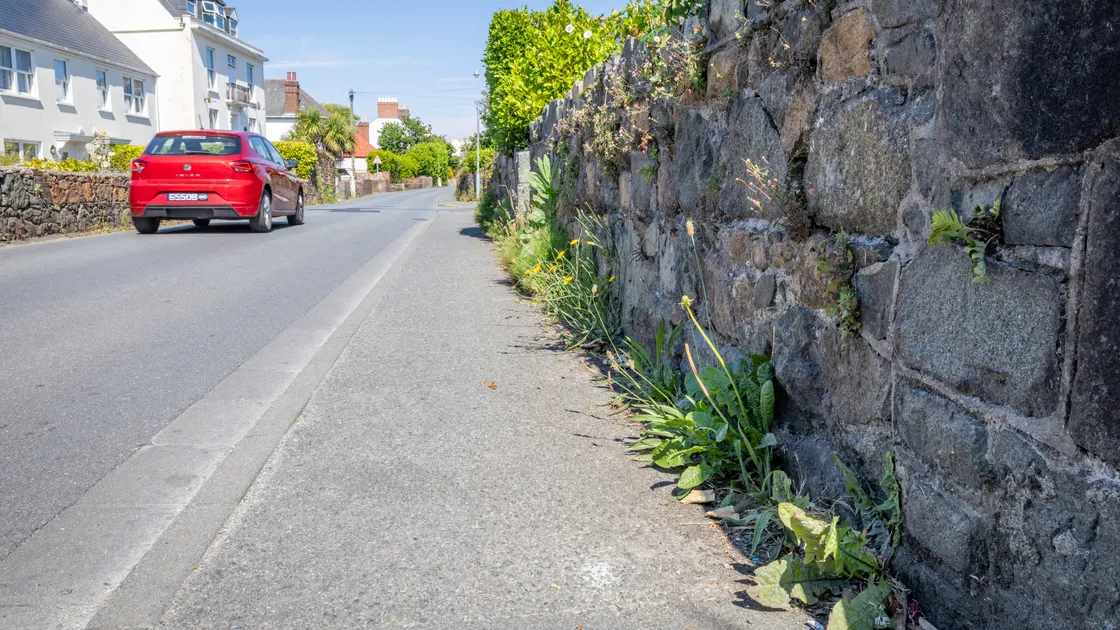
He has submitted an oral question on the matter to the E&I president, Deputy Adrian Gabriel.
This follows the admission from Deputy Gabriel, during a Guernsey Press podcast, that the current weed control regime is not working.
The situation has also been strongly criticised by some of the island’s douzaines.
The perceived problem arose when E&I’s contractor, States Works, decided to swap from using a powerful herbicide to controlling weeds through ‘mechanical means’ instead. But Deputy Sloan says his question is about far more than just weeds.
‘The issue isn’t really glyphosate. It’s whether the States is prepared to learn from experience.
‘I raised my opposition to this approach last autumn because it seemed obvious that stopping the use of glyphosate, before effective alternatives were available, had already led to exactly the problems that are now undeniable.
‘The president has now publicly acknowledged that the policy “hasn’t worked”. Fair enough. Policies don’t always work as intended.
‘The real question is whether we are prepared to revisit decisions when the evidence suggests they are not delivering the promised outcomes.’
In the past, Deputy Gabriel has always been a supporter of restrictions on glyphosate use, citing the impact the chemical, commonly known by the trade name Round Up, had on Guernsey’s water supplies.
‘Glyphosate is a scourge, and colleagues at the States Trading Supervisory Board, who are responsible for Guernsey Water, would confirm that. Expenditure on getting rid of it out of our water system is significant. I and my committee back the voluntary ban by States Works on putting glyphosate everywhere because our water catchment area is nearly everywhere,’ he said.
The E&I president now accepts the current regime is inadequate but says the only solution might be to spend more money to increase the size of the team controlling weeds on Guernsey’s highways.
For Deputy Sloan, the issue is more about putting what he sees as practical outcomes ahead of well-meaning aspirations.
‘There is a growing tendency in politics to judge policies by the virtue of their intentions rather than the quality of their results. The trouble is that the public has to live with the results. The question now is whether the committee is prepared to revisit the policy or whether good intentions have become more important than good outcomes.
‘I shall be pushing for an answer to that question in the States.’
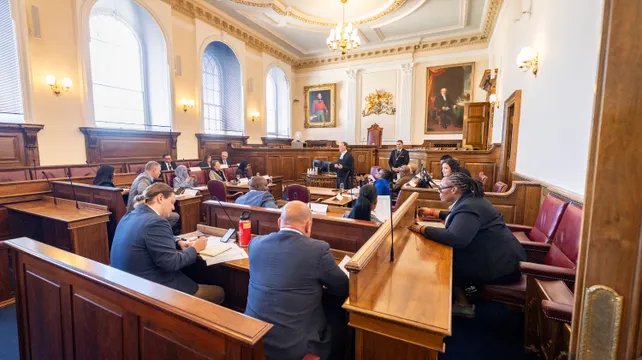
The question is due to be asked in the States meeting which starts on Wednesday.



You need to be logged in to comment.