

Last year income increased to £2.38m., £345,376 better than the previous year and £167,191 over budget, while the island’s cash reserves have improved by £138,194.
‘This is a positive and important indicator of financial stability, but it does not mean the island has all the money it needs,’ said Conseiller Natalie Tighe, deputy chair of the Policy & Finance Committee.
But the island ran an operating deficit of £57,000, due to £54,230-worth of unforeseen expenditure on emergency stabilisation works at La Coupee and a £177,873 impairment relating to the island’s electricity project.
This has been described as an ‘accounting adjustment’ and not a cash loss, reflecting standard accounting treatment for past expenditure associated with the electricity project which, because the project is not currently being progressed, can no longer be carried as an asset in the accounts and must instead be recognised as an expense in the year.
Chief Pleas said that without it, the Accounts would show a surplus, and the underlying work still remained valid and would be used or built upon in the future.
It added that the figures were a positive indicator of improved financial resilience, but reserves were insufficient to meet the island’s long-term needs.
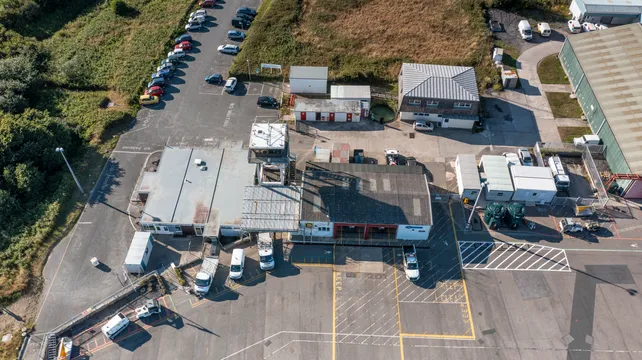
Urgent infrastructure capital projects still need funding including the island’s incinerator, sewage treatment, further works on La Coupee and safety works at the Harbour Quarry.
‘Property Transfer Tax was significantly above budget in 2025, but that income can fluctuate widely from year to year and cannot be relied upon as a guaranteed or recurring source of revenue,’ said Conseiller Tighe.
‘While the improvement in cash reserves strengthens resilience, reserves remain below where they need to be. Sark still faces major essential infrastructure costs, including a new incinerator, sewage treatment, further works at La Coupee, and making the Harbour Quarry safe.
‘These accounts show progress, but they also reinforce the need for continued financial discipline, careful decision‑making, and sustainable funding to ensure the island can meet its future obligations.’
Law changes planned to improve tax recovery
Sark’s tax authorities will be better able to recover property taxes if Chief Pleas agrees new amendments to existing laws.
These would also clarify when the audited accounts of Chief Pleas are due. It is being proposed that the accounts should be presented at Easter Chief Pleas or as soon as practicable after. The move reflects that audits are now more detailed and rigorous than in the past, providing greater assurance to Chief Pleas and the public, but also that the process might sometimes take longer than intended.
The proposed amendment would allow auditors to complete their work properly, while maintaining the expectation that audited accounts are brought before Chief Pleas as a priority once signed off.
The second amendment concerns the recovery of unpaid property tax, making clear that, where a formal assessment provides for it, the owner of real property may be made jointly and severally liable with the possessor for unpaid property tax, together with any related penalty.
The Policy & Finance Committee considers this a fair and necessary reform. In cases where possessors refuse to pay tax that is properly owed, the amendment would help ensure that the burden is not unfairly carried by those who do meet their obligations.
It would also promote accountability and encourage owners to ensure that property is let to responsible tenants.
‘These are practical and proportionate amendments,’ said Policy & Finance chairman Conseiller John Guille.
Chief Pleas to consider lowering property tax to boost affordability
Taxes on the sale of property on the local market in Sark could be set to drop.
Chief Pleas meets tomorrow when it will consider proposals to drop the tax on transfers of dwellings from 7.5% to 4% in a bid to make local market homes more accessible and affordable.
The tax on the open market would stay at 7.5%. Chief Pleas accepts that the tax is one of the most significant costs associated with buying or selling in Sark and hoped that reducing the rate would support activity within the local market and encourage more effective use of Sark’s existing housing stock.
‘This is a really important measure for local residents and families,’ said Policy & Finance Committee chairman John Guille. ‘By meaningfully reducing the cost of purchasing local market homes, we can make it easier for people to buy, move, downsize or find accommodation that better suits their needs.
‘This change is about supporting Sark’s community and helping the local housing market work more effectively.’


You need to be logged in to comment.