

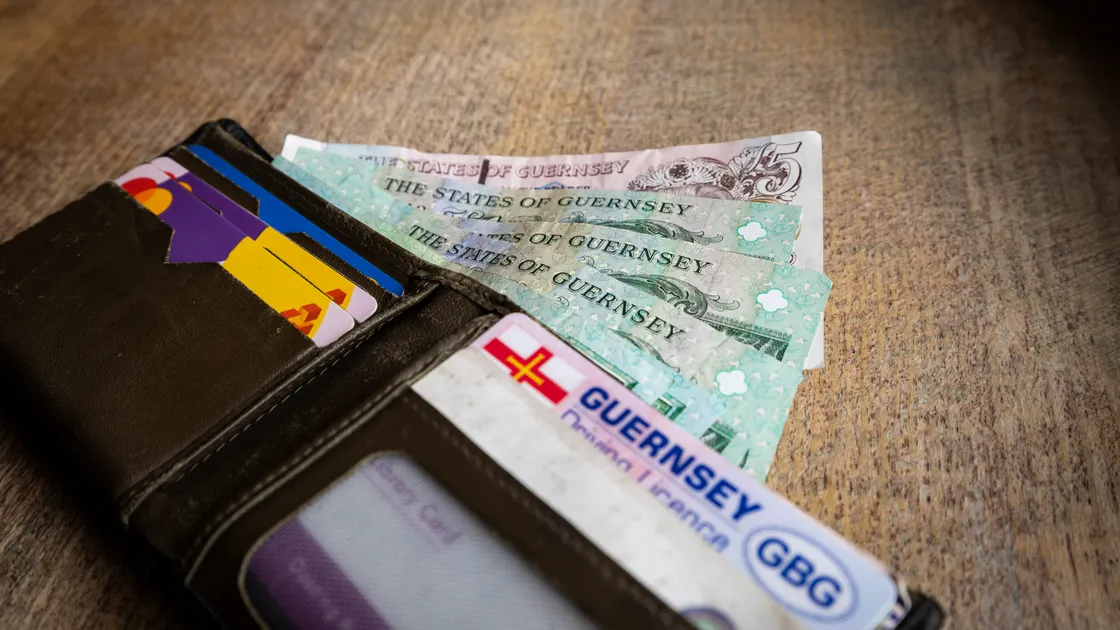
The basket of everyday goods in Guernsey increased by 4.3% in the year ending 30 June, compared to 2.8% in both Jersey and the UK.
The latest inflation bulletin, released yesterday, underlined the growing cost of living crisis in Guernsey, just one day after it was revealed that the average household had spent 6% less and suffered a 12% decline in income over a five-year period.
Despite the unwelcome figures of the past 48 hours, Policy & Resources insisted it would press on with its tax plan currently under debate by the States, including a 3% goods and services tax which it has been estimated would add another 1.9% on inflation.
‘If the States approves the tax reform package later this year, a GST would be implemented in 2028 when conditions will be different. If we wait for the “right” time, we will never make any decisions at all,’ said P&R member Andy Niles.
Increasing housing costs were again among the main contributors to rising inflation. Others included fuel and light, tobacco and catering.
Deputy Niles said that Guernsey had ‘very few policy levers’ to influence inflation, especially in the short term, but that the States would take helpful action where it could, including tackling the shortage of housing. But that would not happen overnight.
The annual rate of inflation was 4% at the end of March and 3.4% at the end of last year. The June rate of 4.3% marked the first time since 2022 that price rises had accelerated for three consecutive quarters.
The States’ most recent inflation forecast, issued in May, projected that the rate would climb higher still in the third quarter of this year before starting to fall into 2027.
Deputy Andy Cameron was unsurprised by the figures released in the past 48 hours. He said they ‘reflected what many islanders have been telling us for some time’ about escalating cost-of-living pressures.
‘The biggest pressures I hear about are housing costs, food, utilities and other everyday essentials,’ he said.
‘Families are becoming much more selective about discretionary spending, with holidays, eating out and larger purchases often being put on hold.’
The most-recent figures available showed that housing costs were consuming an average of 26% of the gross income of households renting in the private sector in 2023/24, up from 22% five years earlier, and owner-occupiers were also spending more of their gross income on housing.
‘We should have tackled our housing shortage with much greater urgency,’ said Deputy Cameron.
‘Going forward, I’d like to see government continue increasing housing supply, back economic growth and make sure policies improve people’s disposable income, rather than adding further pressure to already stretched household budgets.’
Deputy Niles said that the rise in inflation came as no surprise given global economic conditions and was actually lower than May’s forecast.
He added that Guernsey and Jersey now calculated inflation figures, particularly in relation to mortgage costs, differently. RPIX in Jersey, which excludes mortgage interest, now sits at 3.6%, 0.7% below Guernsey’s figure.




You need to be logged in to comment.