
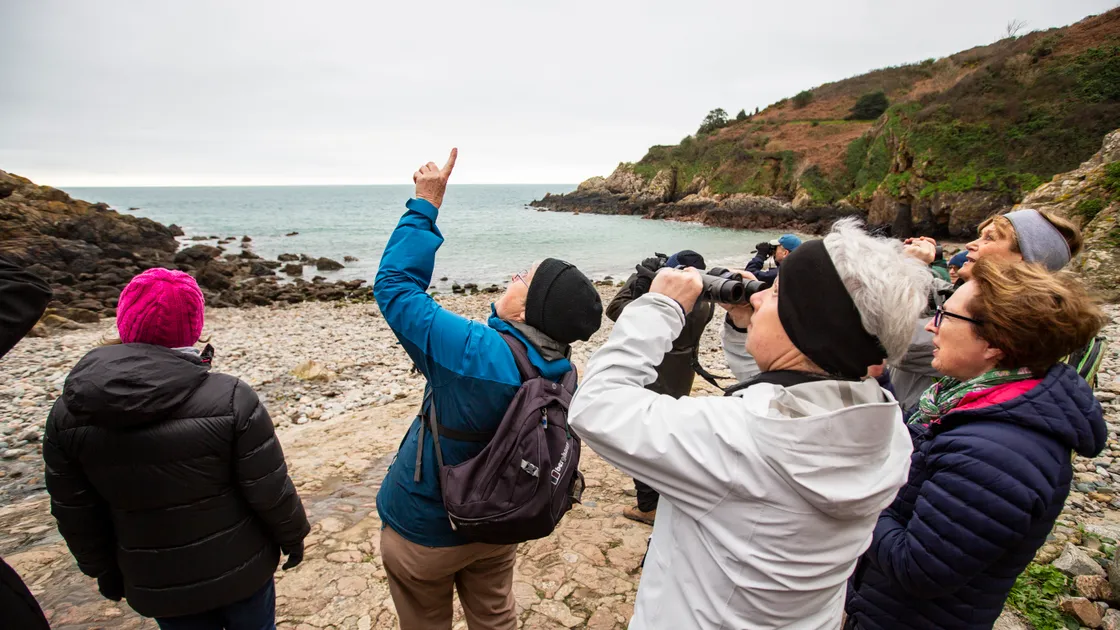
Earlier this year the Environment & Infrastructure Committee announced a three-stage plan for achieving net zero by 2050.
However, the island’s commitment to sustainability is increasingly shaped not just by state policy, but by personal passion, craft, and community-led action. From wildlife conservation to sustainable fashion and traditional willow weaving, individuals and local businesses are bringing sustainability to life in meaningful ways.
A new ‘sustainability of the soul’ is emerging as a core part net zero thinking for Guernsey – a philosophy that values emotional wellbeing, cultural traditions, and human connection alongside environmental and economic responsibility.
The States’ net zero plan lays out an ambitious path to reduce emissions and increase resilience to climate change in areas such as transport, agriculture, and heating. From community craftspeople and independent retailers to environmental volunteers and educators, Guernsey’s journey toward a sustainable future is supported by individuals finding their own ways to show passion for sustainability.
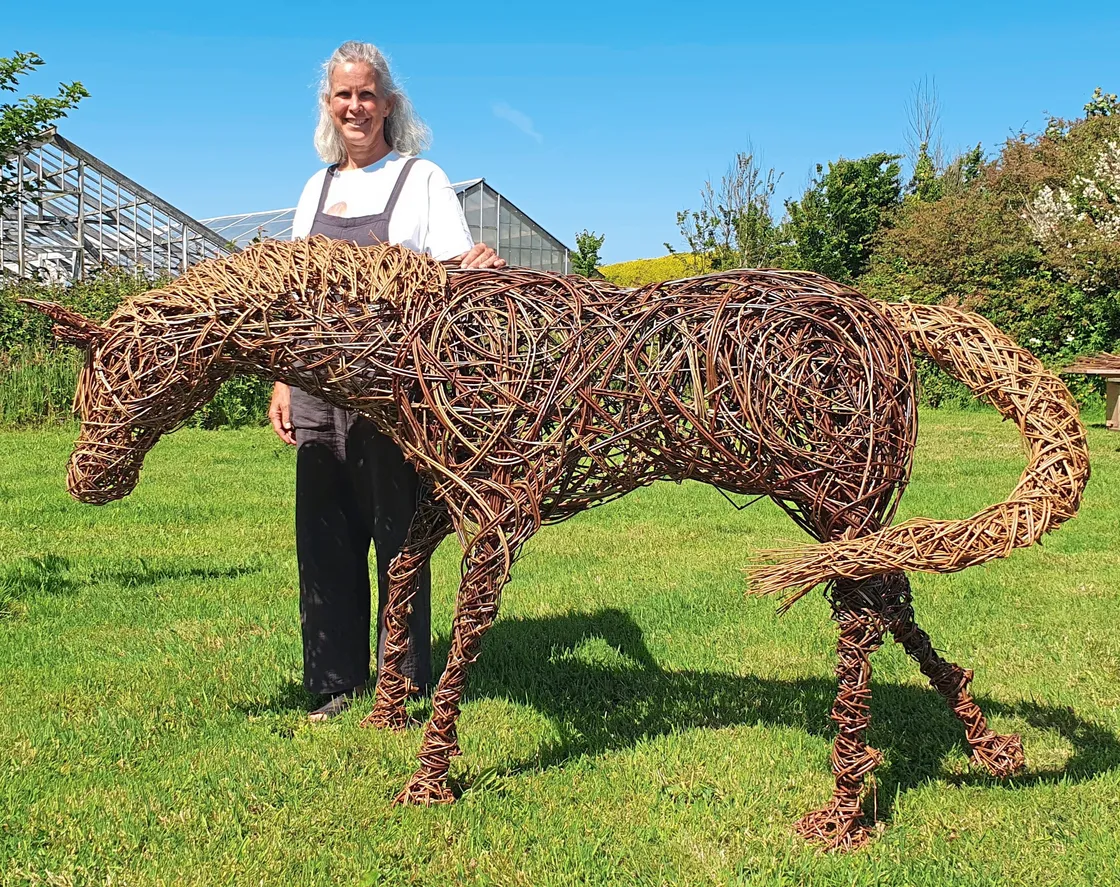
Rachael Bearder, a willow weaver based at Bordeaux, offers a personal view on sustainability. After leaving a career in project management due to burnout, she began basket weaving as a way to recover. Over time, it developed into her full-time work.
‘There’s something very special about walking through the willow beds, hearing the wind in them, the scent of the plants, and harvesting by hand,’ Rachael says. ‘It’s physical, rhythmic, and you get into a flow, like the willow itself.’
Her work is rooted in Guernsey’s natural landscape and cultural heritage. She grows and harvests her own willow, a naturally carbon-negative material (it absorbs more carbon in its growth than it emits during respiration). The willow beds also support biodiversity by offering habitats for local vulnerable species, such as willow warblers.
Rachael’s pieces also preserve traditional crafts, like Guernsey’s historic fishing baskets, and re-interprets them into fashion items. She helps pass on knowledge of this local craft through workshops at her home, as well as volunteering her time at the Ron Short Centre and local schools. For Rachael, sustainability is a lifestyle: ‘We talk about environmental, social, and economic sustainability,’ she says, ‘but we also need sustainability of the soul.’
This personal commitment to sustainability is echoed in the conservation work of Richard Vowles, a recent addition to the RSPB Guernsey committee. Like many islanders, Richard’s connection to nature was rekindled during lockdown when travel off-island was restricted. His passion for birds grew into a project combining photography, education, and community engagement.
‘Birds are a vital part of Guernsey’s biodiversity,’ Richard says. ‘We don’t have many large mammals, but we do have an incredible variety of birds, many of which you can see from your garden.’
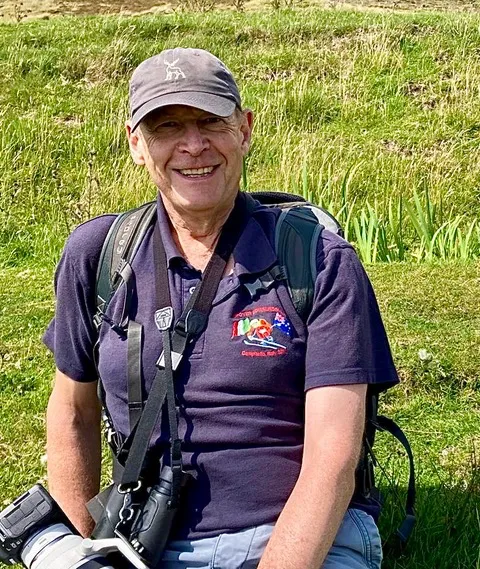
The RSPB Guernsey committee focuses on awareness, education, and fundraising. They organise regular guided walks, school visits, and talks. Richard has also taken up the torch of a birdwatching course that ran for over two decades, continuing its legacy for new generations. The course teaches bird identification, photography, gardening for birds, and nest boxes. If you are interested, you can email Richard at rvsd@cwgsy.net.
In light of these efforts, he talked to me about some of the challenges Guernsey birds face. Some species, like waders and purple sandpipers, are in decline due to human disturbance. ‘It’s not the dogs’ fault,’ Richard notes, ‘but people don’t always understand the impact of beach activity on nesting sites.’
Richard hopes to expand collaboration with other local groups, believing education and storytelling are powerful tools for change. Like Rachael’s willow weaving, his conservation work comes from a passion to share nature with others. Sustainability, meeting our present needs without compromising future generations, connects Rachael and Richard’s passions together.
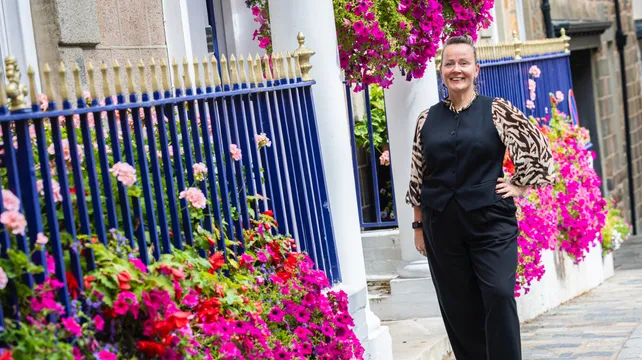
Sustainability also threads its way through Guernsey’s retail landscape. Charlotte, founder of Little Ginger en Provence, has been championing Fairtrade and organic fashion since 2012. Her boutique offers an alternative to fast fashion, instead focusing on ethical supply chains and eco-conscious consumerism.

‘We chose Fairtrade, organic, and recycled materials from the beginning,’ Charlotte explains. ‘Back then, there weren’t many options, but now we work with incredible companies like People Tree and Armed Angels who are changing the industry.’
For Charlotte, fashion is always a sustainable choice. Sourcing organic cotton and linens preserves soil health, and supporting farmers who avoid harmful pesticides helps preserve biodiversity in the regions where these crops grow. Charlotte’s store, Little Ginger, is committed to creating a supply chain that has a positive impact, all the way from producer to consumer. ‘It’s not just about what we wear, but who made it, how it was made, and what it leaves behind.’
That vision extends to the island’s broader ecosystem. ‘We’d love to be more directly involved in local conservation,’ Charlotte says, ‘We support Guernsey’s organic growers and farmers whenever we can.’ The shop’s ethos brings together clothing, lifestyle, and environmental awareness as part of a whole. Charlotte dreams of an island-wide event showcasing sustainable food, crafts, and fashion ‘to inspire others and bring everything together as a personal choice’.
Together, these stories form a patchwork of different paths to sustainability. Rachael, Richard, and Charlotte share a commitment to sustainability that combines personal passion, craft, and community-led action. For them, being inspired by natures, people, and the island’s heritage is the key to sustainability.
Sustainability enriches both their inner lives and the environment. Whether it’s the quiet joy of weaving, the wonder of birdwatching, or the satisfaction of supplying ethical clothing, each person has found a way to reconnect with what matters to them.
Rachael reflects, ‘When you’re surrounded by green, when all your senses take a breath, and you feel alone in a very safe way. That’s something we need more of.’
This isn’t to say that Guernsey’s sustainability efforts are without challenges. According to the States’ Strategy Environmental Policy Plan, Guernsey faces significant barriers to achieving environmental sustainability from high population density, reliance on aviation for transporting low value goods, lack of waste treatment technology, land use changes, and the financial costs of coastal management. However, the plan also states that ‘environmental policy will be equal, not subservient, to economic and social policy’, demonstrating that environmental sustainability is a policy priority for Guernsey.
While policy can set the direction, lasting change also depends on how people connect with sustainability in their daily lives. Having the patience to grow a willow or weave a basket, trace the source of a garment, or wait to see the birds outside your window draws on an appreciation of nature. These are forms of sustainability that go deeper than government strategy. They cultivate presence, care, and resilience in communities that are just as essential for a sustainable future.
In this way, sustainability becomes a gift rather than a duty. A way of life that nurtures not only the planet, but our place in it.
Guernsey’s journey to net zero will need technology and investment, but it will also need people who are willing to live closer to nature. People like Rachael, Richard, and Charlotte, who find joy in green spaces, meaning in mindful work, and community in sharing their passion.
Perhaps ‘saving the world’ begins with valuing the world just beyond our doorstep. Sustainability can be about living more meaningfully through our connection with nature.



You need to be logged in to comment.