
What is biodiversity?
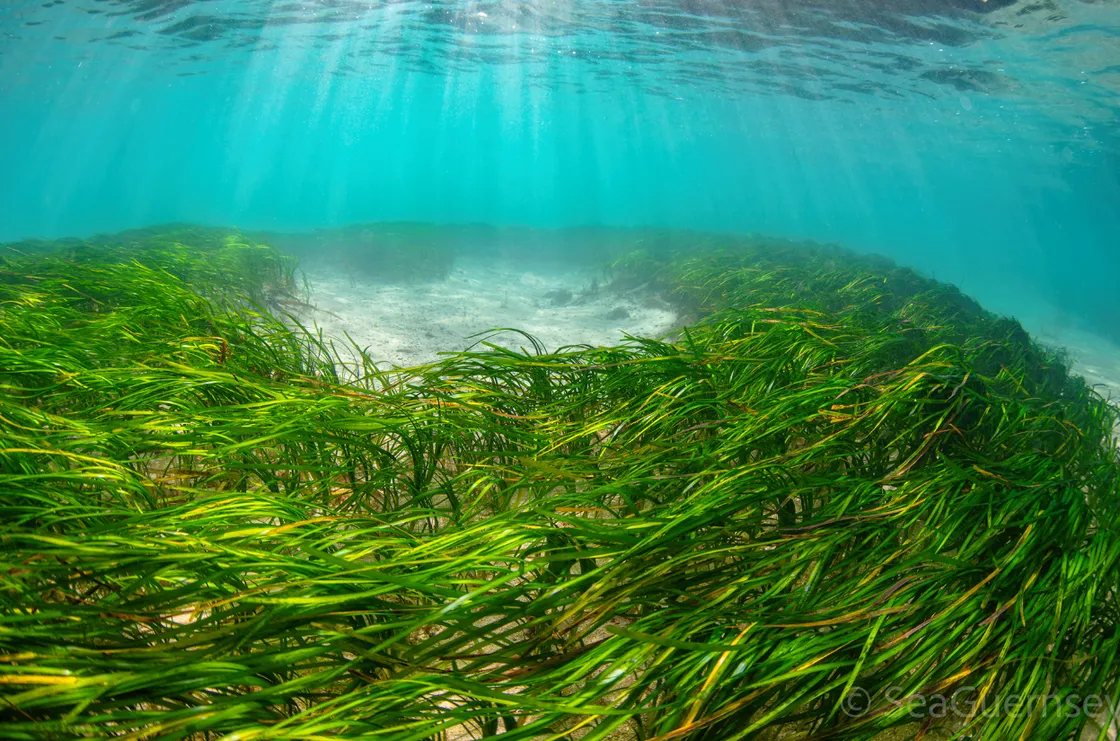
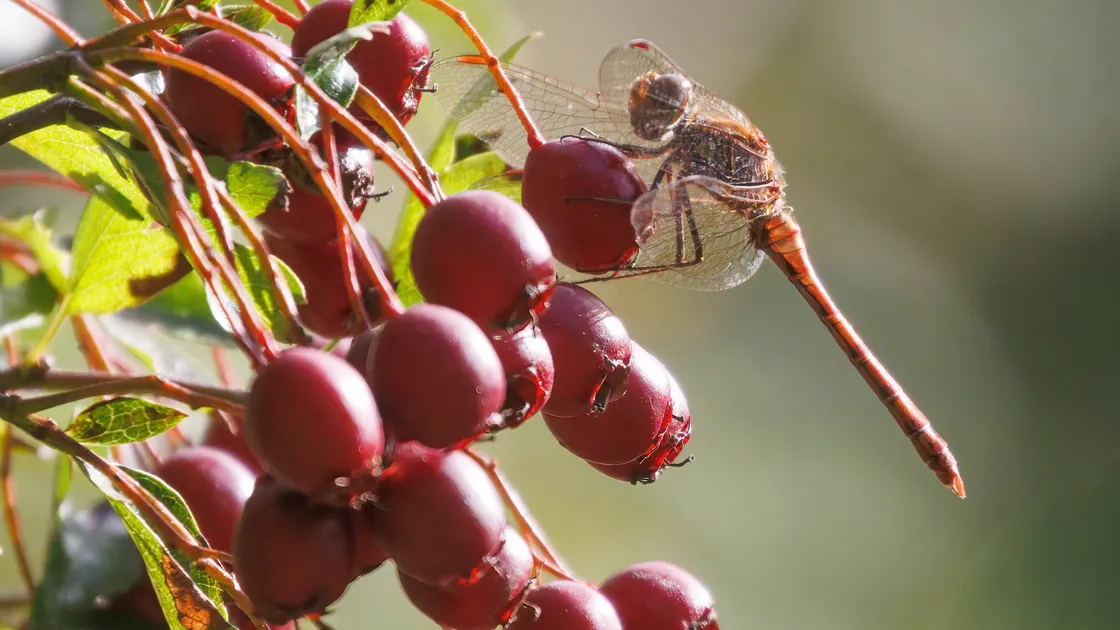
Biodiversity is the variety of living things on Earth and how they interact with each other. It is the number of species from soil microbes, plants, insects, birds and animals (which includes humans) and their interrelationships. There is the obvious predator/prey relationship, but other interrelationships can be complex and not fully understood. These interrelationships are further influenced by climate, the lie of the land, availability of water, the underlying soil and rock. The interaction of these elements creates varying habitats where different plants thrive and, in turn, different fauna species. In Guernsey there are 41 recognised habitats on land. As a consequence, there are a greater abundance of terrestrial species here than might previously be thought.
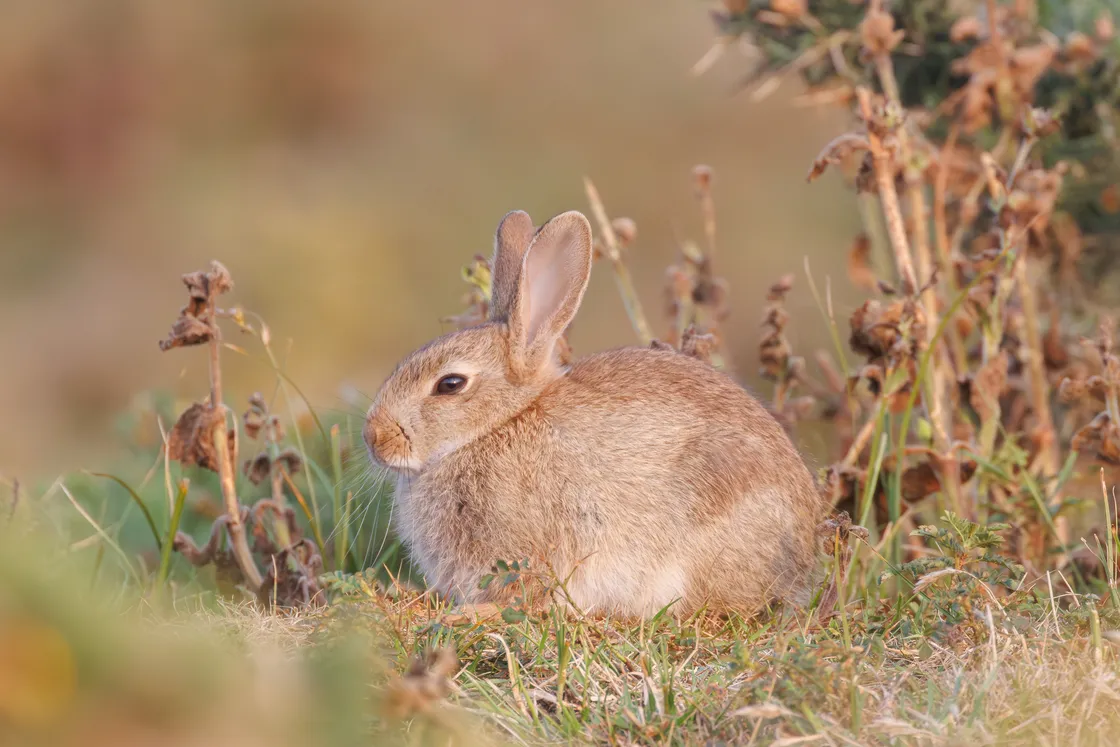
The following numbers of species groups have been recorded locally: 1,585 plant species, 1,337 moth species, 333 bird species, 90 bee species, 30 butterfly species, and 19 terrestrial mammal species. Within these lists there are the rare and the abundant.
For top predators they will always be fewer in number than their prey so there will always be a rarity factor. The population size of species is important, as is the variety of species, as this indicates the health of the habitat. If nature is left to its own, it is good at self-regulation ensuring over time that no one species dominates and biodiversity is maintained.
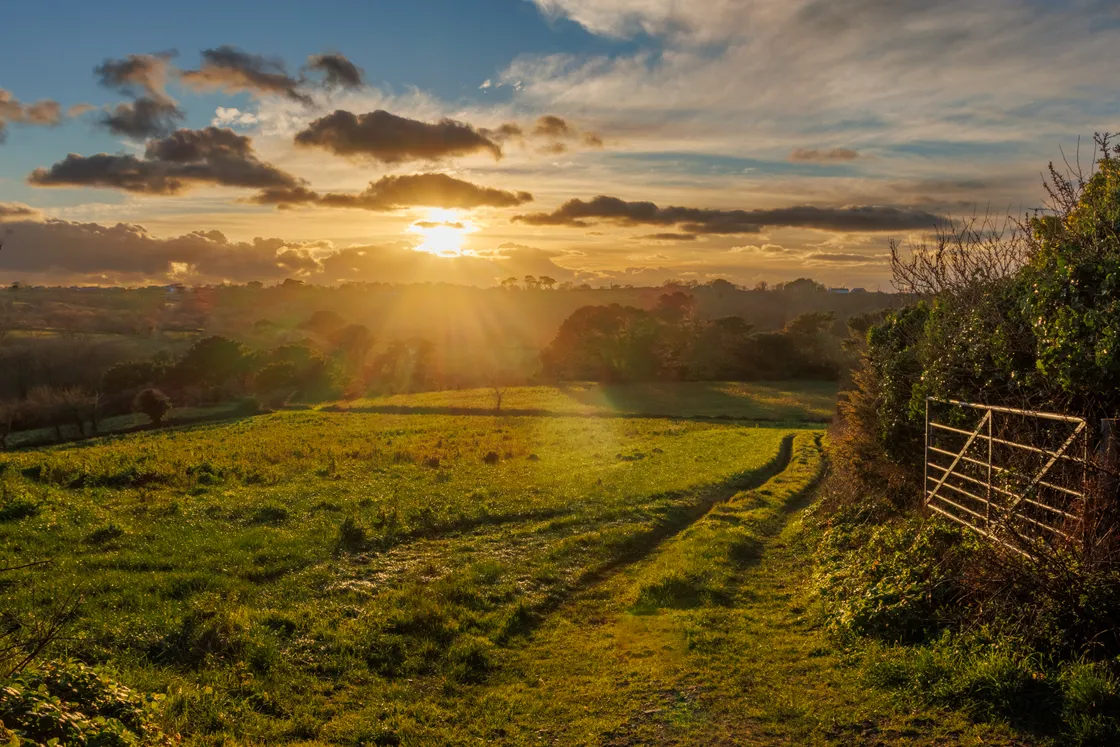
Sadly, there are also threats/drivers of change on biodiversity. The threats to species come from a variety of areas. Several drivers of change that negatively impact biodiversity are known: climate change, invasive non-native species, development and land-use change, pollution, commercial and recreational fishing and harvesting, and land management. The fragility of biodiversity can be illustrated where there are several moth and butterfly species that rely on one plant for the food source for their caterpillars. Species such as the cinnabar moth requires the ragwort plant for its caterpillar, the Glanville fritillary butterfly requires the ribwort plantain plant, and for the purple hairstreak butterfly, oak trees are essential.
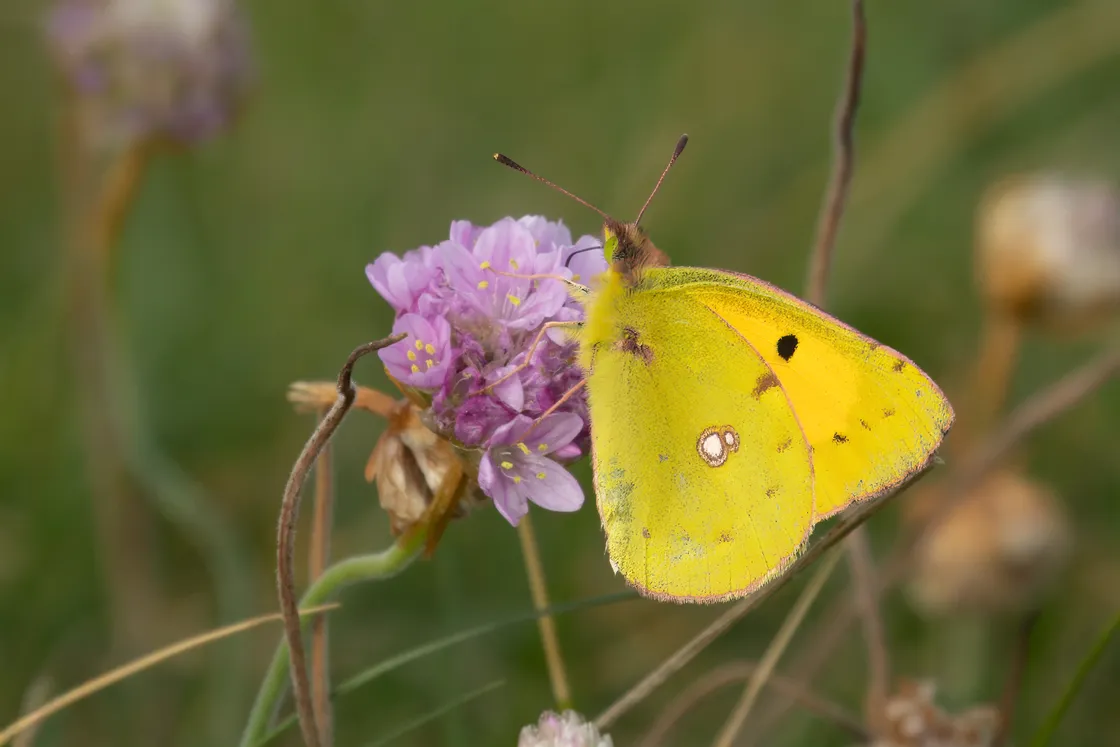
Lose the plant, which could be due to one or more of the drivers of change, and you lose the butterfly or moth, reducing biodiversity. Breaking or disrupting these interrelationships causes imbalances which, depending on the extent and magnitude, will impact or endanger life of species including our own.
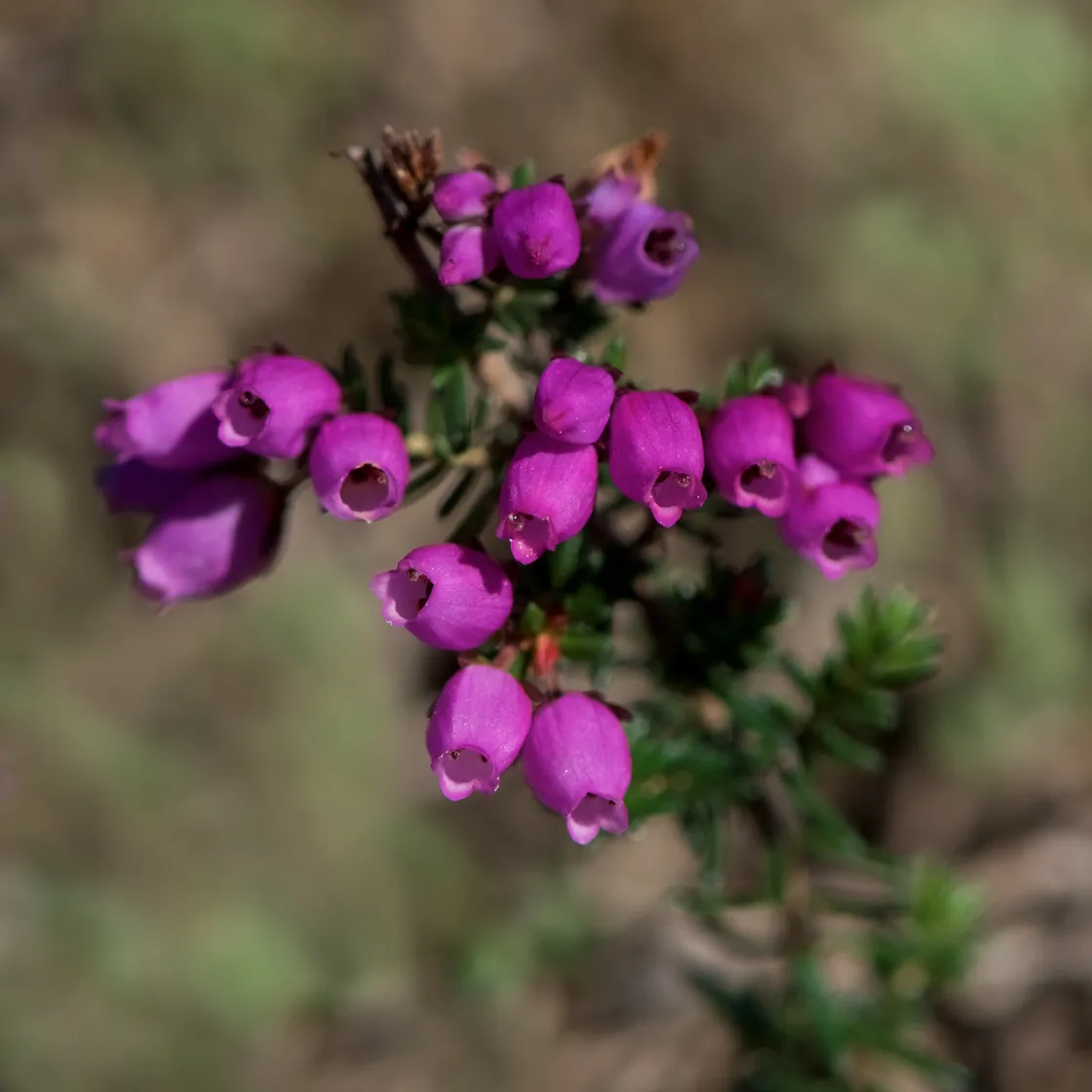
Nature plays a crucial role in Guernsey’s economy and wellbeing, yet its true value is often underestimated in traditional economic measures. Evidence from the UK shows that natural capital contributes tens of billions annually to tourism, recreation, and health – figures that remain conservative as they exclude nature’s intrinsic value. Similarly in Guernsey, nature supports the economy through tourism and industries like agriculture, but many additional benefits – such as pollution removal, climate regulation, flood prevention, protection from storms, improvements to physical and mental health, and cultural identity and heritage – are not yet quantified and yet underpin long-term economic resilience.
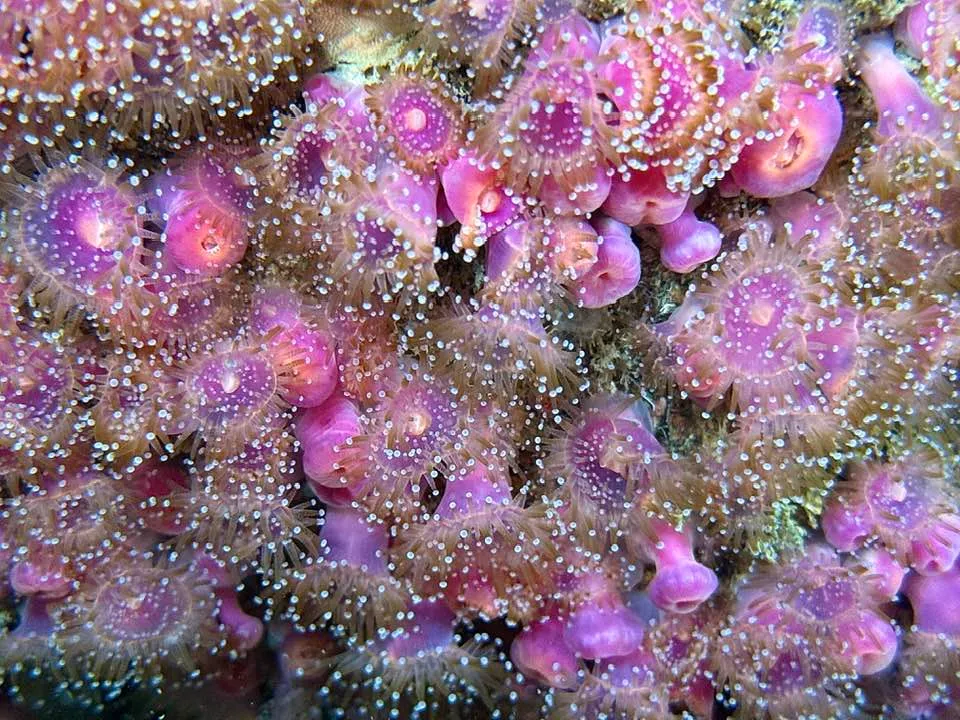
Globally, over half of GDP depends on nature, and investment in natural assets is increasingly recognised as highly cost-effective, delivering substantial economic returns, strengthening resilience, and reducing long-term public spending.
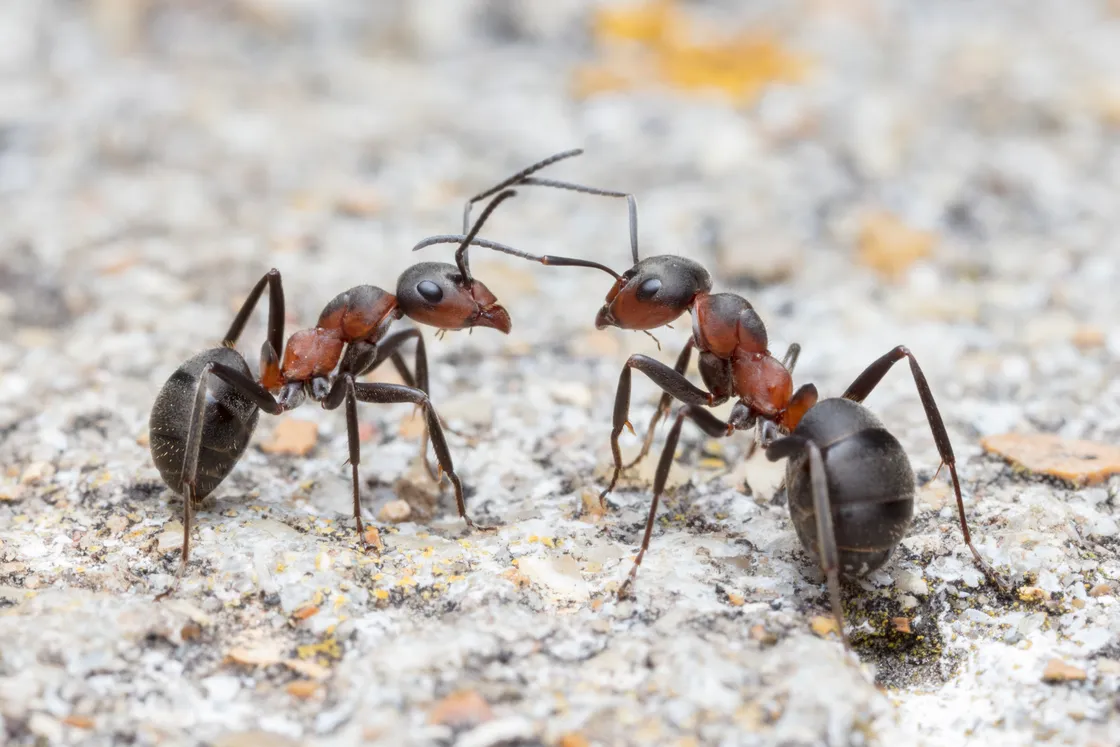
Spend a little time in nature this World Biodiversity Day
There are lots of beautiful locations you can visit to appreciate nature in Guernsey. Areas such as our south coast cliffs, which are designated as sites of special significance for their outstanding ecological importance, are a stunning place to visit at this time of year.
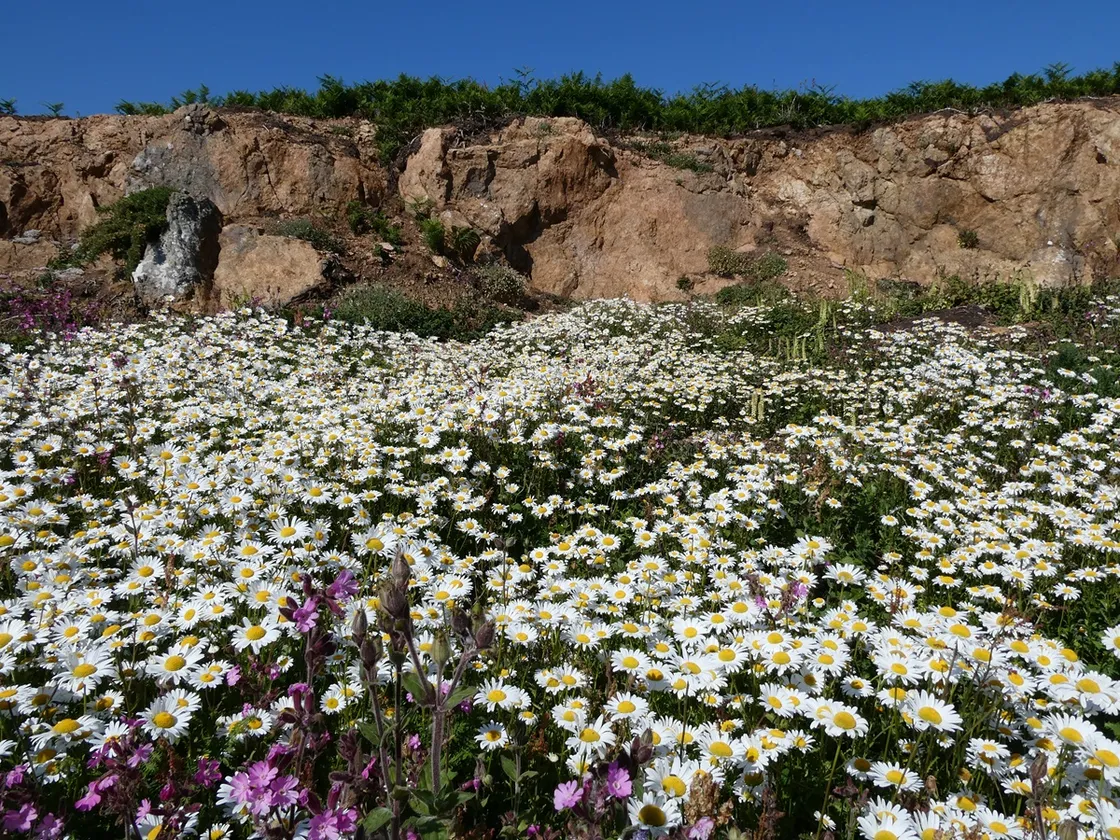
The foreshore and coastal areas of Guernsey are also designated as sites of special significance, recognised for their biodiversity, and time spent on the beach and in the rock-pools is time well spent.
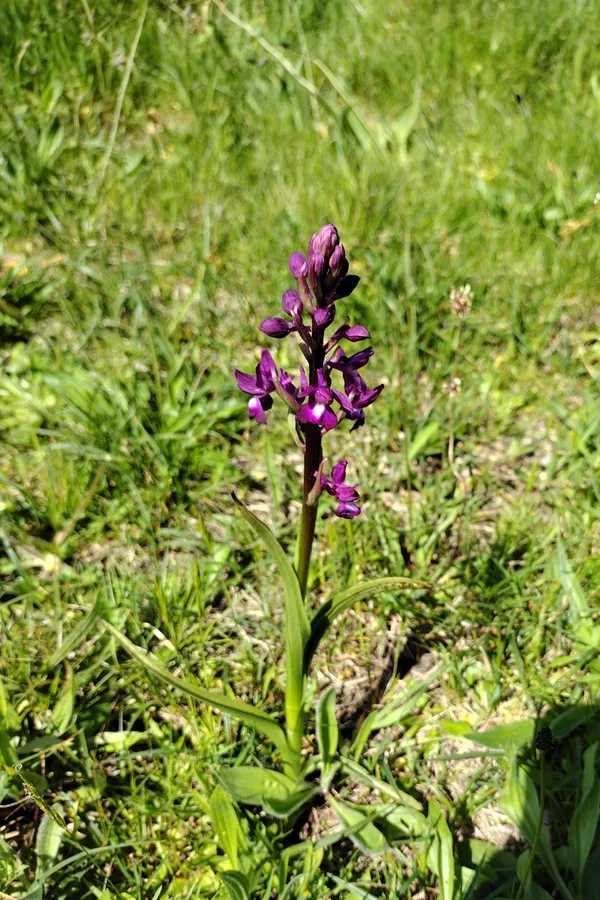
There are several nature reserves in the island, many of which are owned and looked after by La Societe. Why not take a peek at the Bridget Ozanne Orchid Fields at Les Vicheries on the west coast, which are very colourful in spring? These meadows are relics of fields that would have been common along the west coast many years ago, before development and intensive farming took their toll.
Or how about visiting the National Trust of Guernsey’s land, such as Jerbourg Field, Les Tielles, or Le Petit Pre? These sites have a foothold in supporting both abundant and rare species.
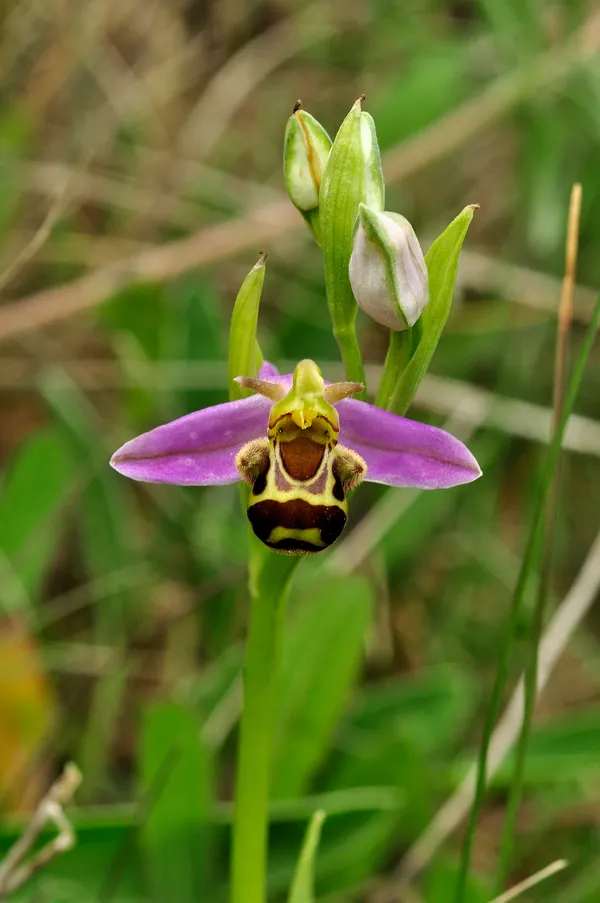
Protecting and expanding these habitats and landscapes is not just conservation – it is safeguarding the island’s living future. Conservation is not only about rare species – it includes every garden, coastline, and woodland.
Act local for global impact
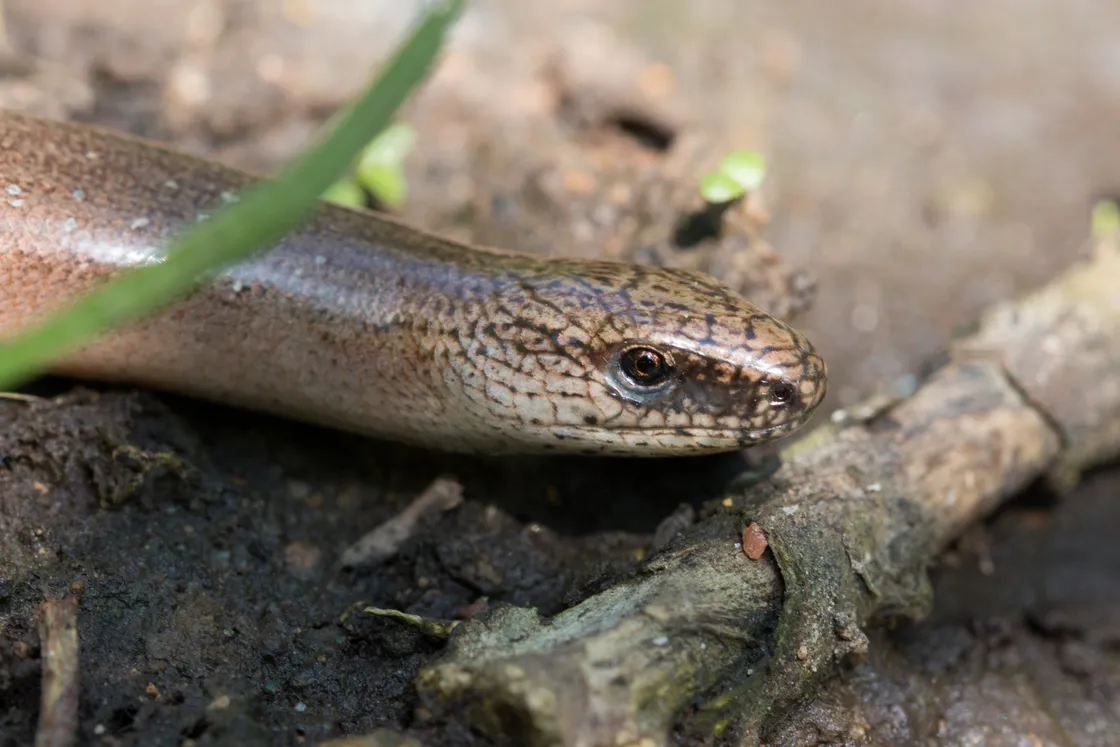
Nature-positive actions here in Guernsey not only benefit our biodiversity locally, as well as our local economy and wellbeing, but also have a positive impact globally. There are lots of actions, big and small, that we can all have a go at to help look after Guernsey’s amazing natural environment.
Record your biological sightings
An important way that islanders can help address data gaps and protect the natural environment is by recording sightings of local wildlife. Using free apps such as iRecord facilitates the submission of wildlife sightings from the public to the Guernsey Biological Records Centre. You can also use Nature Commission Species Spotter Sheets to help you with identification – check them out here: www.naturecommission.gg/citizen-science-projects/#species-spotter-sheets. Submission of sightings can include native or invasive non-native species and should include the location, date, and a photo to help with identification and verification. This is important in helping to understand abundance and distribution of species across Guernsey and Herm.
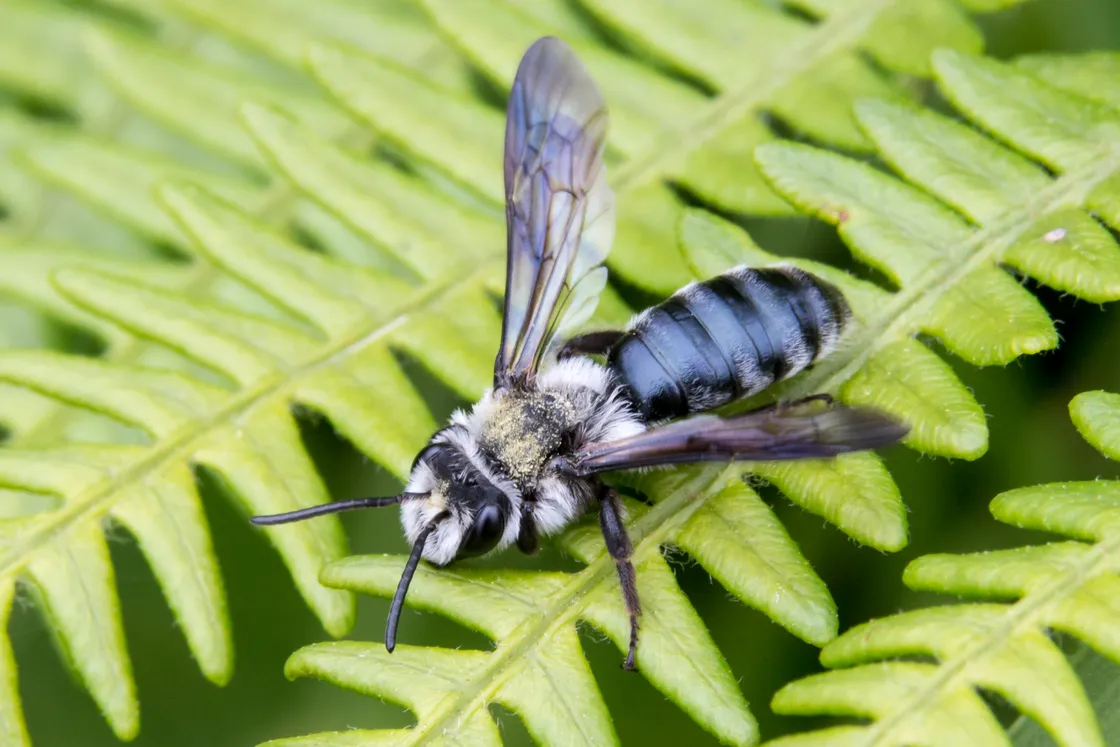
Volunteer
There are lots of citizen science projects which you can take part in. Find out about some of them here: www.naturecommission.gg/citizen-science-projects/#citizen-science-projects. Additionally, there are several organisations with which you can volunteer and contribute to in other ways to support the amazing work they do protecting our natural environment. These include the Nature Commission, La Societe Guernesiaise, Guernsey Conservation Volunteers, the National Trust of Guernsey, Guernsey Trees for Life, the RSPB, and the Clean Earth Trust.
Use your love of nature to influence
Influencing those around you, including your friends, family, and decision-makers at business and government level is a great way to help ensure your love of nature is considered. Letting your parish or government representatives know that you would like to see better outcomes for the natural environment is a tool available to us all.
Garden for nature
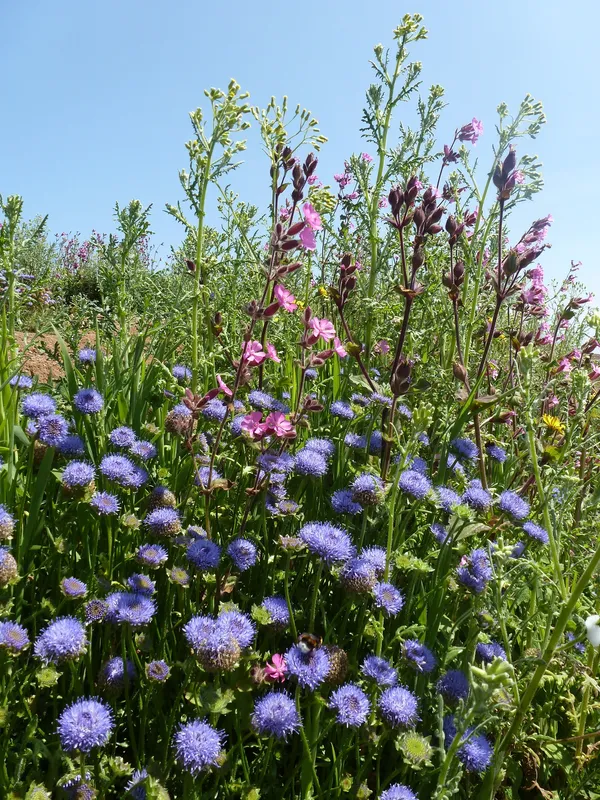
A third of habitats on land in Guernsey include domestic gardens. If everyone gardened for wildlife, this would provide a major boost to many species, and especially pollinators. Here are some ways to help wildlife in your garden and associated areas:
Trim hedges infrequently, as little as every three years. Avoid cutting hedges during bird breeding season which is usually between March and August
Consider alternatives to pesticides, such as using organic gardening methods. If using pesticides, reduce the use to help promote insect populations and follow the appropriate guidelines
Plant linear features, such as native hedging to connect habitats and provide foraging routes
Where lighting is needed, use wildlife-friendly outdoor lighting
Create wet areas in your gardens such as ponds or little pools
Plant vegetation around the margins and middle of ponds to help insects during their life cycles
Create woodpiles, compost heaps and leave rotting logs in the garden as homes for nature
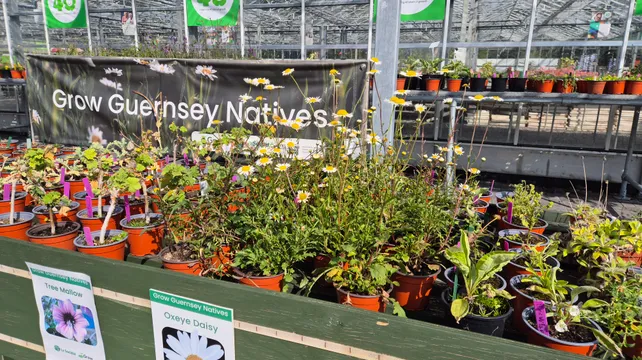
Grow a diverse range of native wildlife-friendly plants throughout the year
Leave dead plant matter and hollow stems for overwintering larvae
Mow less frequently or take part in No Mow May, Let It Bloom June and Knee-high July
Leave fallen fruit for insects and birds to feed on
Leave bare soil in sunny areas
Put up bird feeders, nest boxes and provide water
Know what you grow – do not plant invasive non-native species and dispose of garden waste responsibly so that invasive plants are not released into the wild
It is recommended that you understand what you have in your garden before making any changes. Your garden may be perfect for wildlife just as it is.
Consider the impacts of your activities on the environment
You can do this by following codes of conduct, such as the Wildlife Code of Conduct, which recommends keeping your distance from seals, seabirds, and other marine mammals to avoid disturbance, and the Strictly For The Birds Code of Conduct for birdwatchers. Always stick to footpaths where possible to avoid erosion of natural areas and follow dog-friendly rules on beaches in summer to reduce harassment of wildlife on the foreshore.
About the Biodiversity Partnership Group
Established in 2017, the purpose of the Biodiversity Partnership Group was to act as partner to the States of Guernsey on the effective delivery of the island's first Biodiversity Strategy. Since 2023, the Biodiversity Partnership has been coordinated and led by the Guernsey Nature Commission. The purpose of the BPG now is to act as an advisory panel to the Guernsey Nature Commission and the States on the delivery and direction of the 2020 Strategy for Nature: www.gov.gg/strategyfornature.
BPG is made up of representatives from the Nature Commission, the States of Guernsey, La Societe Guernesiaise, Guernsey Conservation Volunteers, the National Trust of Guernsey, Guernsey Trees for Life, the Clean Earth Trust, the Pollinator Project, Floral Guernsey, and the Chamber of Commerce Sustainable Business Initiative.
CASE STUDY: La Societe Guernesiaise Conservation Herd is one of the ways the third sector is expanding biodiversity across Guernsey.
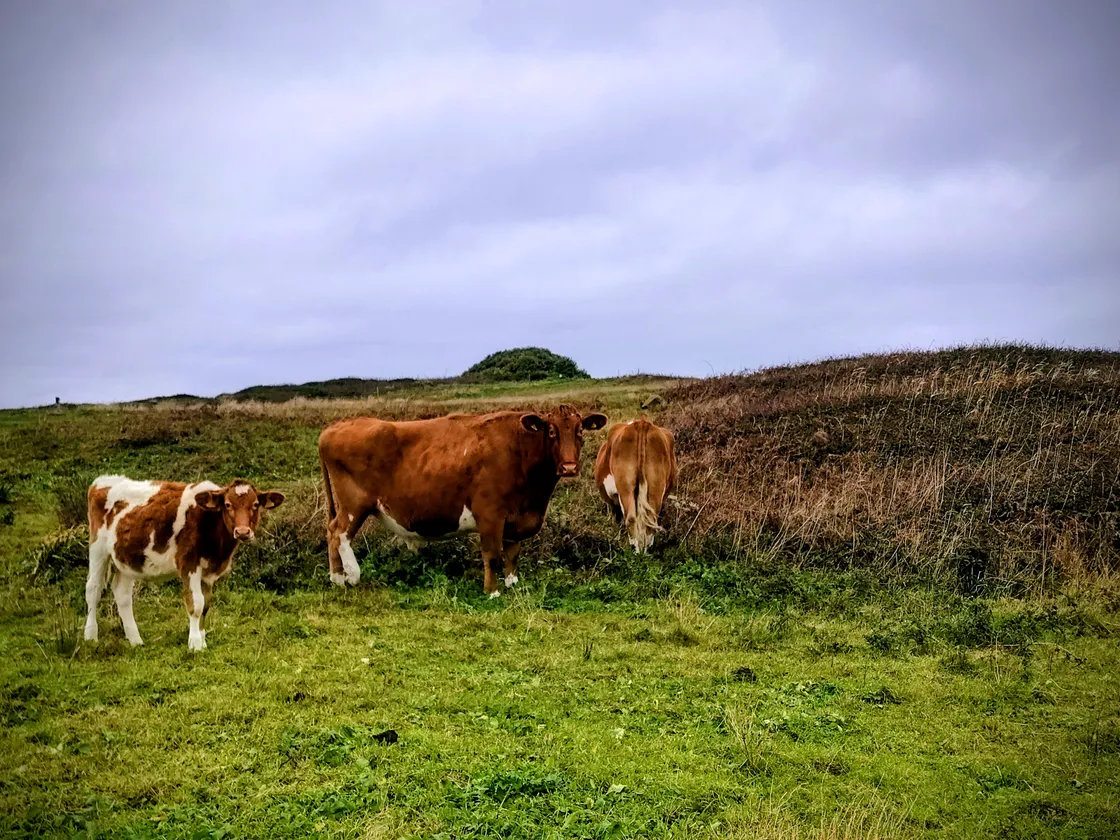
The Conservation Herd continues to play a vital role in restoring some of Guernsey’s most sensitive landscapes. This year they are again weaning two Guernsey steer calves, who will soon join the main herd. Their grazing maintains the grasslands as diverse habitats.
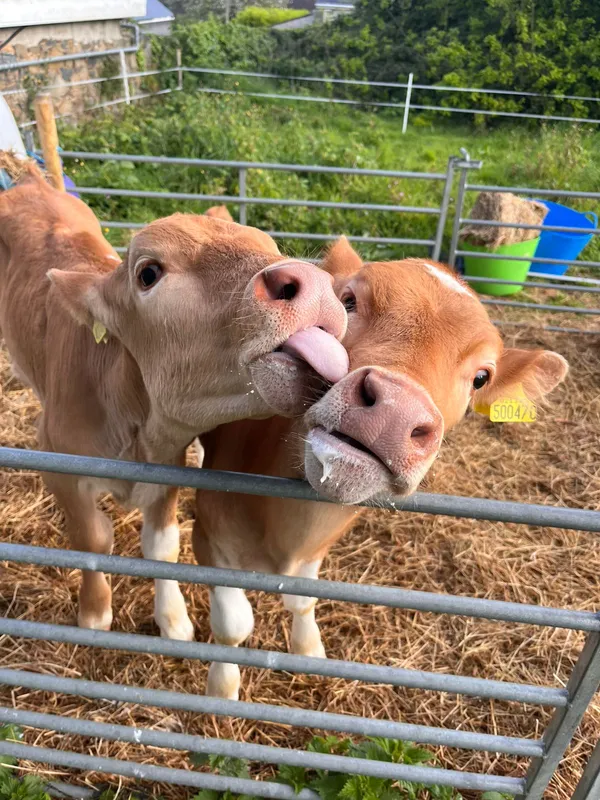
A major new development is the introduction of goats into what has until now been an all‑steer herd. Goats excel at tackling denser scrub, helping reopen coastal grasslands and restoring parts of the south cliffs to richer, more varied habitats, rather than areas dominated by blackthorn, bramble and gorse.
Working with the Royal Golden Guernsey Goat Farm, The Conservation Herd team are preparing to welcome two young neutered male kids, currently being weaned, ready to join them later this summer.
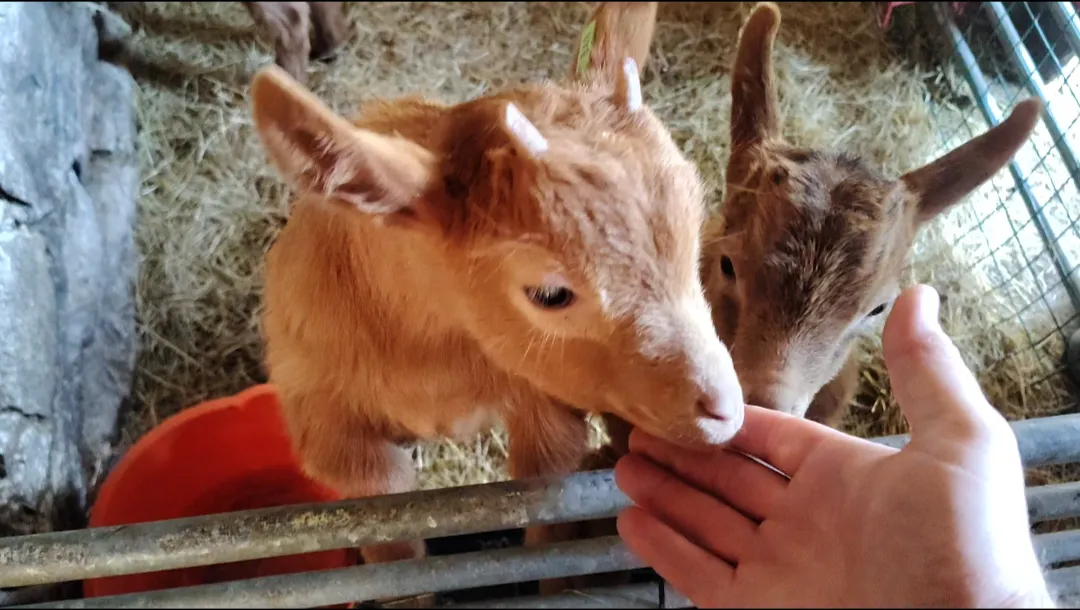
Across managed sites, targeted grazing continues to support wildflower recovery, improve structure for ground‑nesting birds and pollinators, and create healthier conditions for small mammals.
Looking ahead, The Conservation Herd Team hope to expand their network of sites managed by the herd, with some different habitats able to be managed by the goats. They will also be recruiting volunteers to support the new goat project, including daily checkers and helpers for moving animals and setting up fencing.
For more information, please visit the website www.societe.org.gg
VOLUNTEERING CASE STUDY
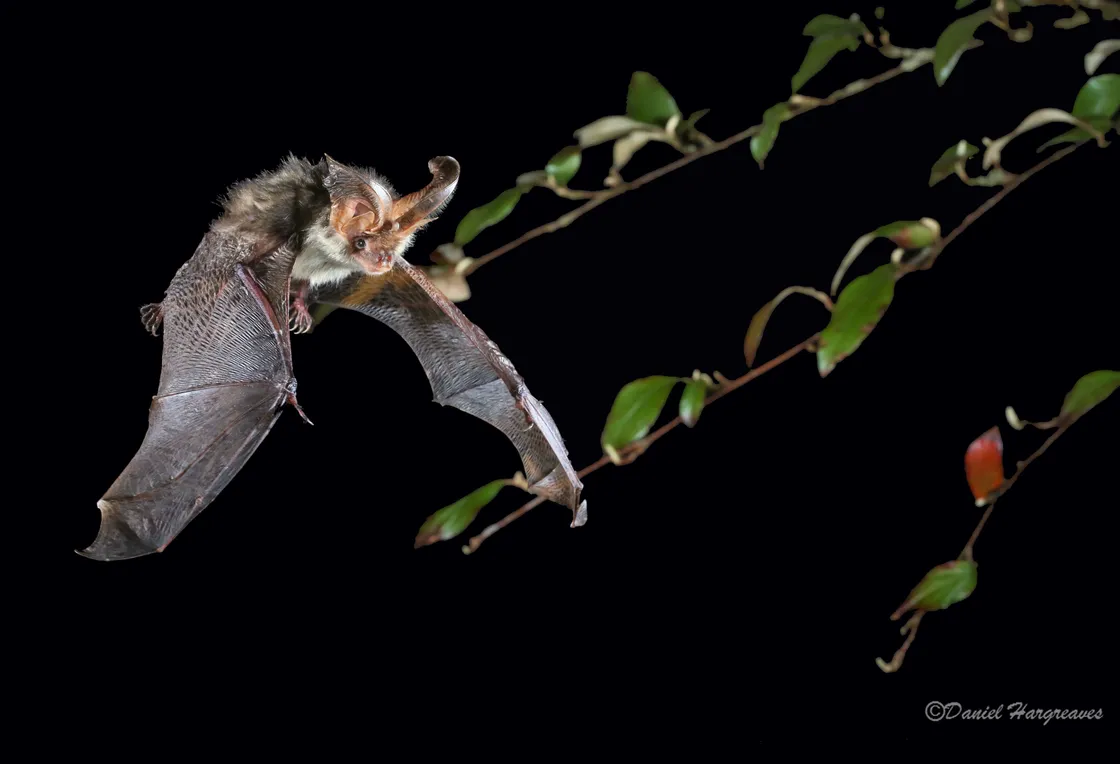
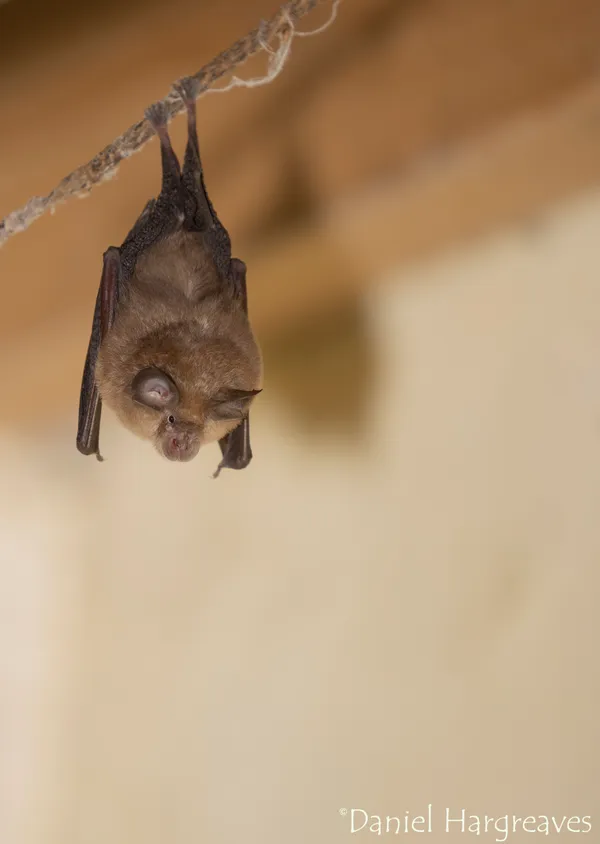
It is not often that a single survey completely changes our understanding of a particular species group but that is what happened in the Bailiwick Bat Survey, a volunteer-led initiative that used acoustic monitoring to identify bats in the Bailiwick of Guernsey. Prior to 2020, we knew very little about the local bat population found on the nine islands that make up the Bailiwick of Guernsey, including Guernsey, Herm, Sark and Alderney. Over four years, the study confirmed the presence of 14 bat species in the Bailiwick, including six species never previously recorded: serotine, Leisler’s Bat, common noctule, lesser horseshoe bat, whiskered bat (and possibly Brandt’s bat which is difficult to distinguish acoustically from whiskered bat), and parti-coloured bat. The most frequently detected species (recorded on more than 20% of nights) were the common pipistrelle, grey long-eared bat, and Kuhl’s pipistrelle – all widely distributed across the Bailiwick. The survey also identified significant populations of Natterer’s bat and brown long-eared bat. One of the most important findings from the survey was the crucial role that underground structures, particularly World War II tunnels, play in bat conservation. Many of these tunnels, scattered across Guernsey and Alderney, serve as key sites for swarming and hibernation.
Find out more about Guernsey’s natural environment
The Biodiversity Partnership Group releases an article in the Guernsey Press every month to communicate the importance of nature. If you haven’t seen these yet, or have missed any of them, we are grateful to the Guernsey Press for making these articles available online for free. They cover a wide range of topics, from the benefits of nature to mental health, to the impact of single species loss, to the variation of slime moulds and fungi, to beach cleaning. Past Nature Matters articles are available here:
https://guernseypress.com/island-life/2026/05/11/why-bees-matter
https://guernseypress.com/island-life/2026/03/09/insects-and-minibeasts
https://guernseypress.com/island-life/2025/12/09/music-and-nature
https://guernseypress.com/island-life/2025/11/18/fungi-matters
https://guernseypress.com/island-life/2025/10/09/bats-about-bats
https://guernseypress.com/island-life/2025/07/11/nature-and-wellbeing
https://guernseypress.com/island-life/2025/06/12/bioblitz-2025-discovering-nature-at-lancresse-east
https://guernseypress.com/island-life/2025/04/10/guernseys-west-coast-grasslands-in-spring
https://guernseypress.com/island-life/2025/04/03/nature-matters-a-living-education
You can watch presentations about the different habitats and species in Guernsey and Herm via the Nature Commission YouTube channel, check it out here: ww.youtube.com/@NatureCommission/videos
To find out more our the natural environment of Guernsey and Herm, the pressures it’s facing, and more ways you, including your business, can help nature locally, check out State of Nature 2024, the first state of nature report in the Channel Islands, available here: State of Nature 2024 | Nature Commission Guernsey
Local businesses can also help in lots of different ways – find out how by checking out ‘Nature Opportunities for Businesses’: www.naturecommission.gg/nature-opportunities-for-businesses/

You need to be logged in to comment.