
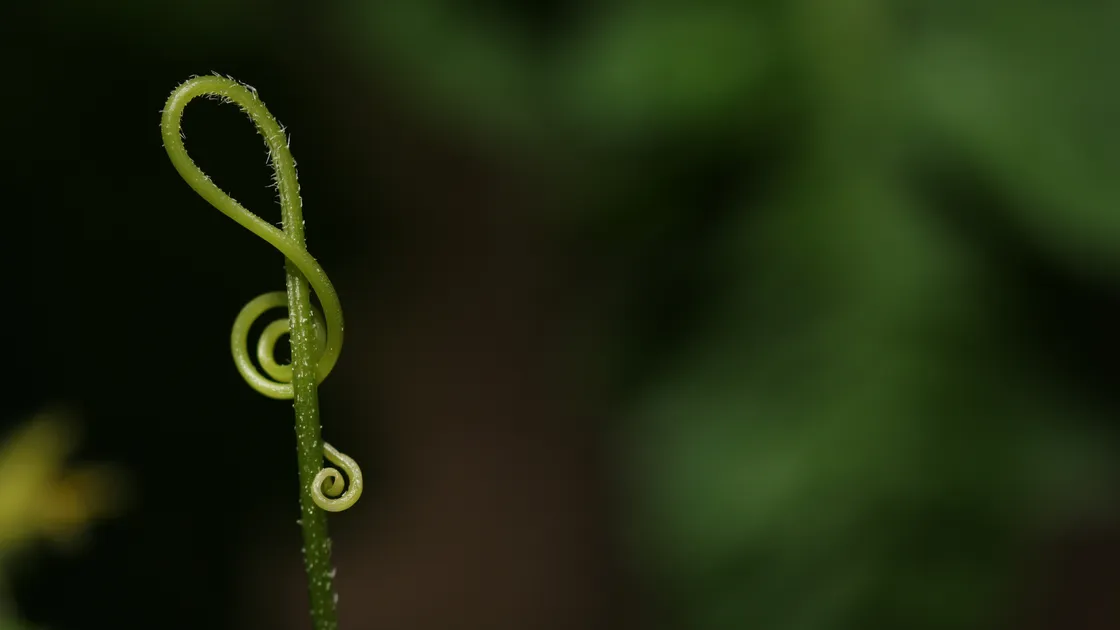
Music and nature have been linked for as long as people have been alive. Long before anyone wrote down notes or built instruments, humans listened to the world around them. They heard birds singing, water flowing, wind whistling, and animals calling to each other. From these sounds, people began to make their own music. Today, even with advanced instruments and digital tools, nature is still one of our biggest sources of musical ideas.
This article explores how nature has shaped music throughout history – from inspiring melodies, to providing materials for instruments, to becoming a soundscape captured in recordings – and looks at how that connection continues today here on Guernsey.
Many musicians look to nature when they want to express a feeling or create a certain mood. This has been true for hundreds of years. Classical composers are especially famous for this. For example, Vivaldi’s The Four Seasons uses musical themes to show what spring, summer, autumn and winter feel like. Beethoven’s Pastoral Symphony creates the feeling of standing in the countryside, listening to flowing water and gentle breezes. Debussy’s La Mer tries to capture the sea’s movement and shifting colours.
Nature-inspired music is embedded in storytelling and spirituality. Many indigenous cultures use song to honour natural forces or recount relationships with animals, mountains, or weather. The Maori of Aotearoa New Zealand echo bird and whale sounds in traditional chants; the Sami people of northern Europe use the joik to express the essence of a landscape or creature; and many African traditions use call-and-response singing that reflect animal calls.
Modern genres follow these roots. Ambient and film composers often try to create musical spaces that feel like forests, deserts, oceans, or skies. Even electronic producers often rely on natural metaphors such as waves, atmospheres, and storms to describe the emotional landscapes of their music. When people listen to these works, they often feel grounded or transported, suggesting that nature’s sonic cues still resonate with us on a psychological level.
Flutes carved from wood or bone and rattles filled with seeds are reminders that the materials of music are literally grown or shaped by the world itself. Water drums, stone percussion, and bamboo instruments demonstrate how the physical properties of natural materials influence tone and timbre.
With modern technology, musicians can record natural sounds and use them in their work. These recordings are called field recordings. Artists carry microphones into forests, deserts, oceans, and mountains to capture birdsong, rain, waves, frogs, wind, and much more. Some musicians use these recordings exactly as they are. Others mix them into songs so that nature becomes part of the music.
Some well-known composers use field recordings as a central part of their work. Bernie Krause, for example, has spent decades recording wild soundscapes and showing how each ecosystem has its own ‘sound identity’. The Paul Winter Consort recorded an entire album inside the Grand Canyon, using the canyon’s natural echo and acoustics as part of the music itself.
Popular modern artists such as Bjork and Aurora often include nature sounds in their music. In these cases, nature shapes the music in a very literal way.
Listening to nature or nature-based music can help people relax, focus, and feel calmer. Many studies show that sounds like flowing water, leaves rustling, or birds singing reduce stress and improve mood.
To hear Guernsey’s natural soundscape, check out the Guernsey Nature Commission’s Pause for Nature series. Look out for short 30-second videos being released each month to encourage you to stop and listen to the island’s wildlife and landscapes. You can find them on the commission’s Facebook and Instagram pages.
Music that includes natural sounds is also widely used in therapy and wellness settings. It can help people sleep, meditate, or manage stress. For many listeners, nature-based music feels familiar and comforting, even if they don’t spend much time outdoors.
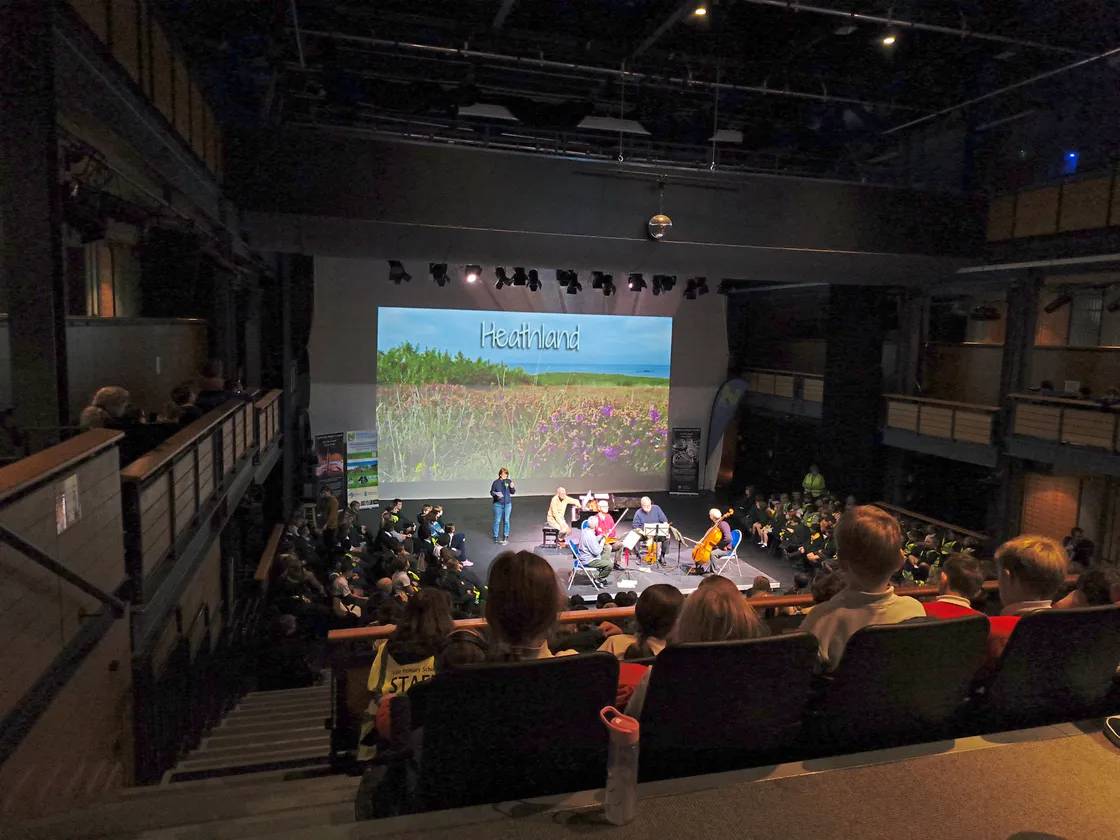
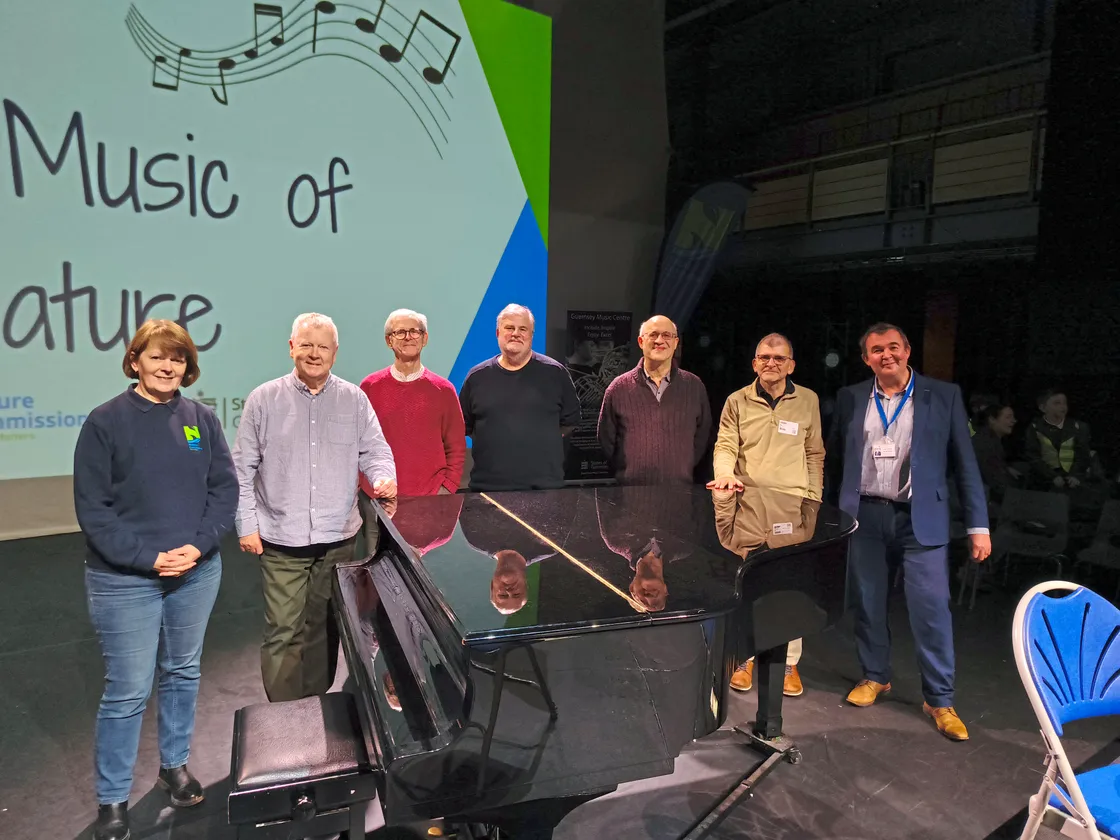
The Nature Commission recently partnered with the Guernsey Music Service to present the Music of Nature Concert to over 500 Year 4 pupils in States-maintained primary schools at the Princess Royal Centre for the Performing Arts. The event featured The Coull Quartet and local musician, Mervyn Grand, and three short films showcasing Guernsey’s natural environment including hedgerow and heathland habitats, and marine habitats with underwater footage captured by Tim Harvey.
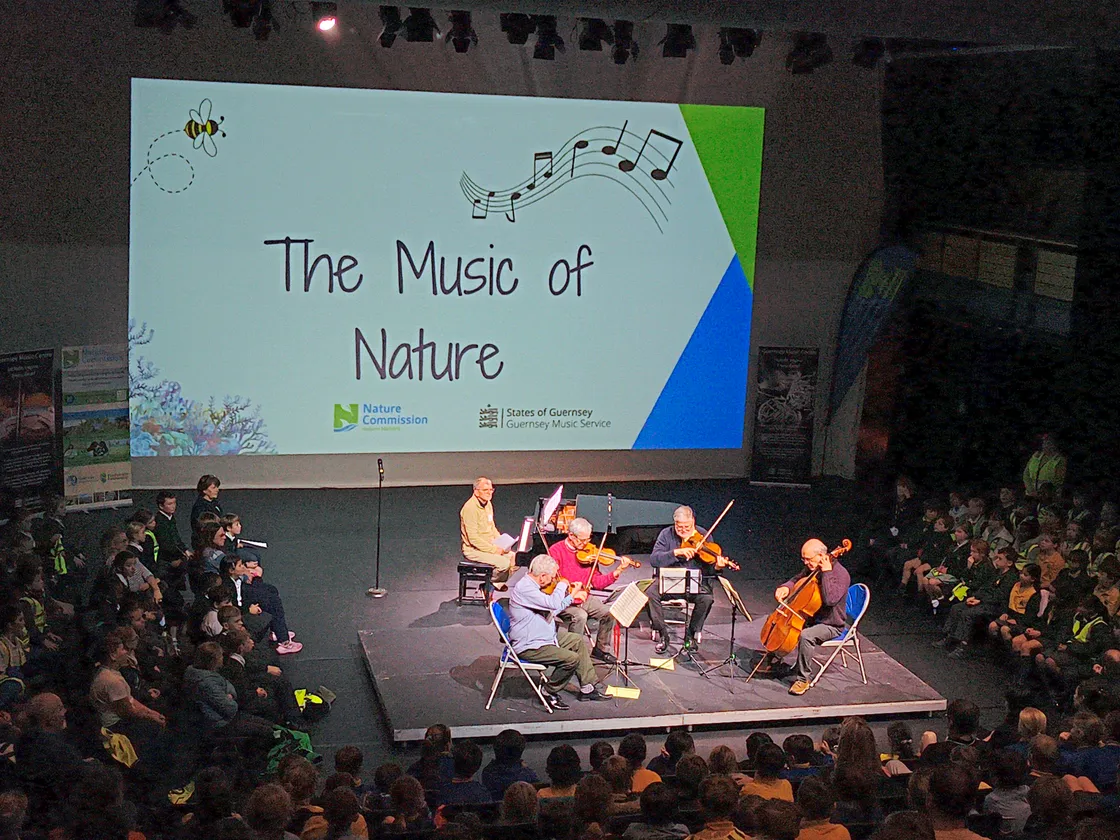
Included in the concert were beautiful nature-inspired pieces such as The Swan by Camille Saint-Saens and En Bateau by Claude Debussy. The Swan uses smooth, flowing cello lines and gentle piano ripples to evoke a swan gliding gracefully across calm water, while En Bateau creates the sensation of drifting along a quiet river, with soft, rocking melodies and shimmering harmonies that suggest sunlight on the water.
Both pieces show how composers translate the movements, moods, and atmospheres of nature into music.
In the summer, Guernsey comes alive with events that blend nature and music, letting audiences enjoy live performances in outdoor settings. Festivals like the Vale Earth Fair at Vale Castle, concerts in Candie Gardens, and the Sausmarez Manor Summer Music Series showcase local musicians against backdrops of gardens, historic estates, and coastal views. These outdoor events allow listeners to experience music alongside the sights, sounds, and atmosphere of the island’s natural environment, creating a unique connection between place and performance.
The connection between nature and music is deep and long-lasting. Nature gives us ideas, materials, rhythms, and sounds. It also collaborates with musicians in surprising and creative ways. When we listen to the natural world, we hear patterns and voices that remind us of our place in a larger living system.
As the environment changes, this relationship becomes even more important. Music can help us stay connected to the Earth and remind us to care for the world that has always shaped our sense of sound.
Living in Guernsey means being immersed in a living soundscape with wind along the cliffs, waves against rocky shores, seabirds calling overhead, gulls crying at dawn, rustling leaves inland. A walk along the coast at sunset, or a quiet evening by a hedgerow, might offer more than just nature – it might offer music.






You need to be logged in to comment.