
What is a slime mould?
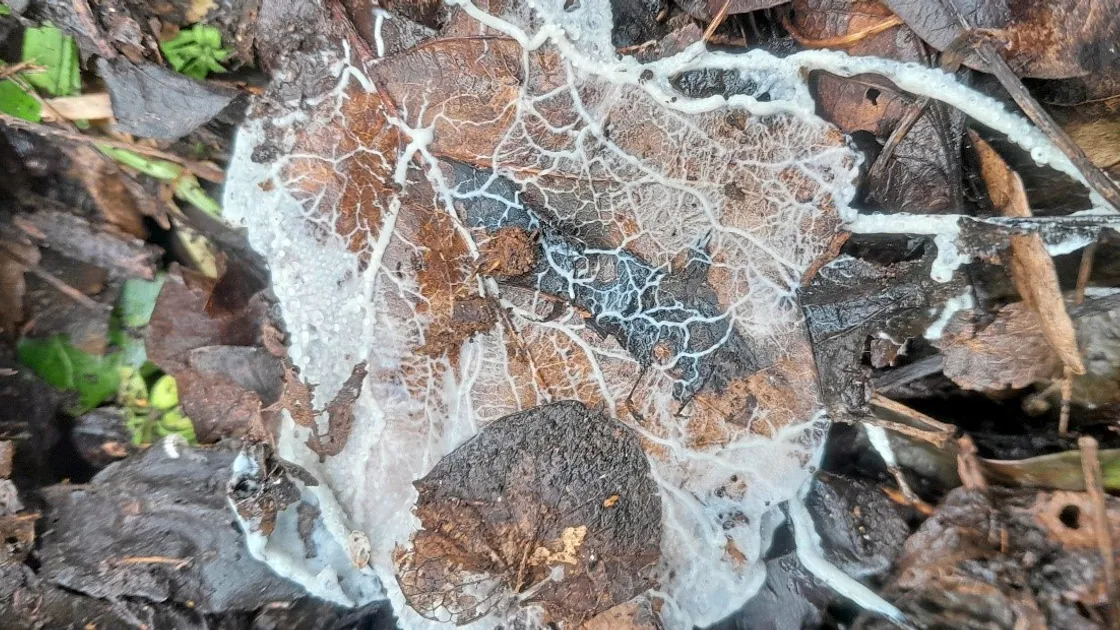
A slime mould is neither a plant nor a fungi although often grouped in with plants by enthusiasts. They are single-celled organisms known as protists and they fall into two distinct categories – plasmodial slime moulds (myxomycetes) and cellular slime moulds (dictyostelia).
Plasmodial slime moulds begin life as spores, a bit like tiny seeds, which then form moving cell, also know as ameboid cells, called myxamoebas. These cells feed on bacteria and other organic material, growing and merging to form a gel-like body with multiple cells, called plasmodium. This ‘body’ can move through its environment in search of food using a behaviour called ‘cytoplasmic streaming’. Eventually under favourable conditions the ‘body’ (plasmodium) will form fruit bodies to spread its spores and start again elsewhere.
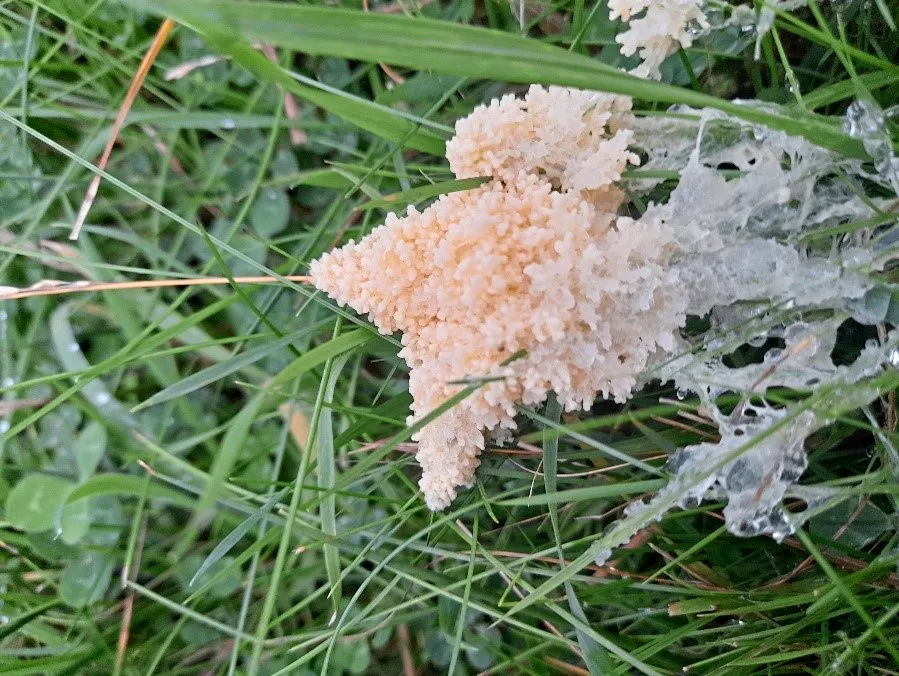
Cellular slime moulds have an altogether more complex life cycle. They start as a single-celled organism, which can feed off bacteria. When environmental conditions are unfavourable, such as a shortage of food or water these cells can collect into a slug-like structure with multiple cells. This structure can move as a collective organism toward light and moisture before forming a fruiting body which produces spores. This ability to transition between single cell and multi cell states is one of the most remarkable features of cellular slime moulds.
Why are slime moulds important, and where to find them?
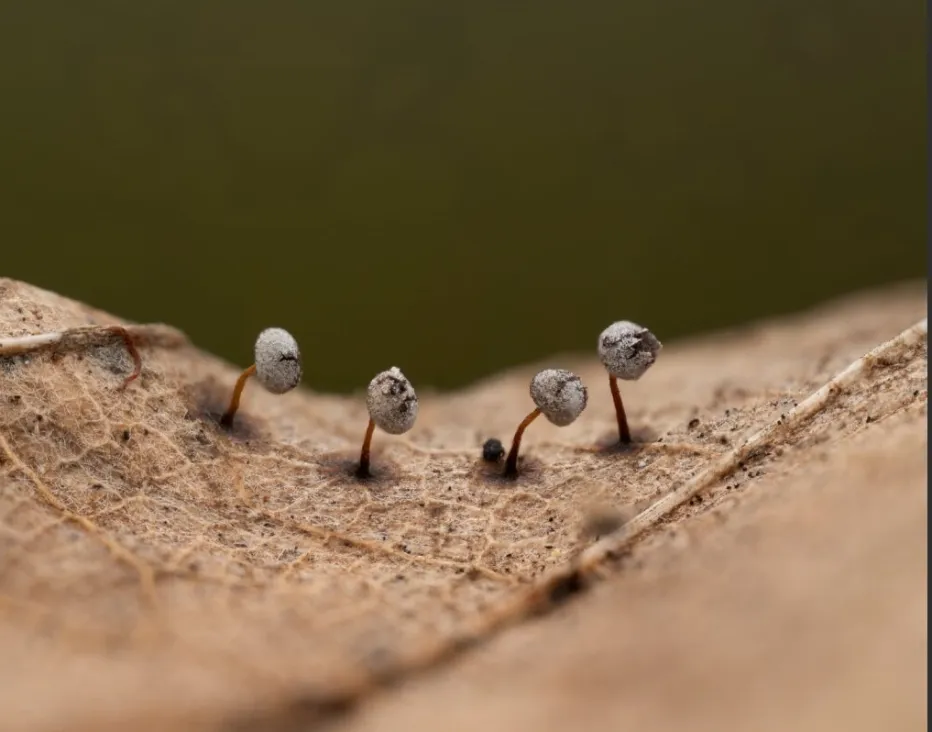
Slime moulds are mainly found in forested areas, where they thrive in moist environments rich in decaying organic matter. They are often located in leaf litter, rotting logs, and damp soil where they play an important role in nutrient cycling by encouraging decay of natural materials and recycling nutrients back into the ecosystem. They also support soil health, and act as a food source for small insects and slugs. Slime moulds can also be found in other habitats, such as grasslands and urban areas, and can be found in mulch. They can be found at all times of year.
Conservation and threats
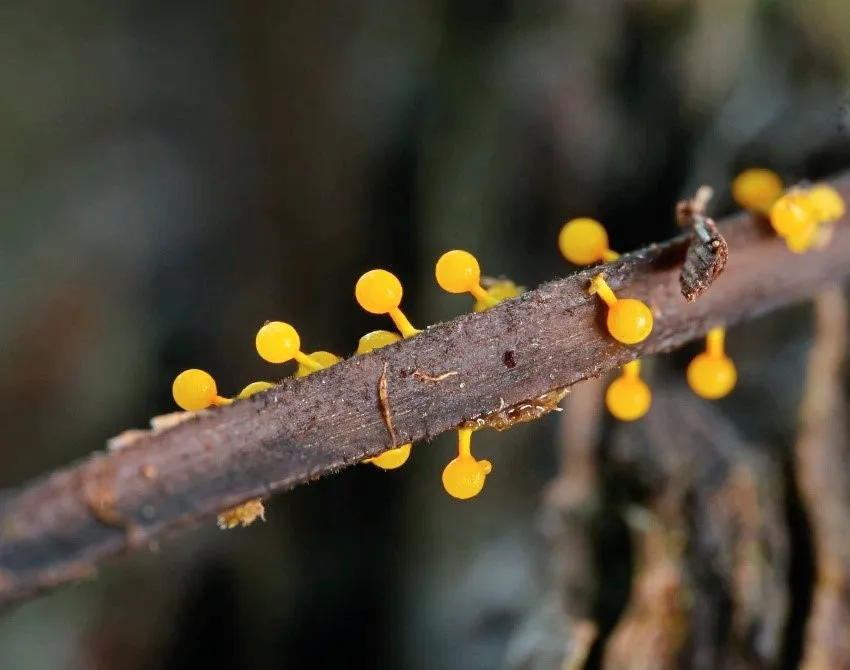
Despite their resilience, slime moulds face threats from habitat destruction and climate change, which can alter their ecosystems and food sources. The increasing presence of pollutants and the loss of forested areas can also affect their success. A greater understanding of slime moulds and their habits would help dramatically in understanding and supporting these important organisms.
As with anything ecological, citizen science can really help with this, and we encourage individuals to look for, and record slime moulds found around Guernsey. These records contribute to our understanding of slime mould diversity and distribution, and also encourage you to spend time in nature while also helping the environment. Submit a photo of any slime moulds you find to iRecord. Get in touch with the Nature Commission if you’d like help getting started with iRecord (office@naturecommission.gg).
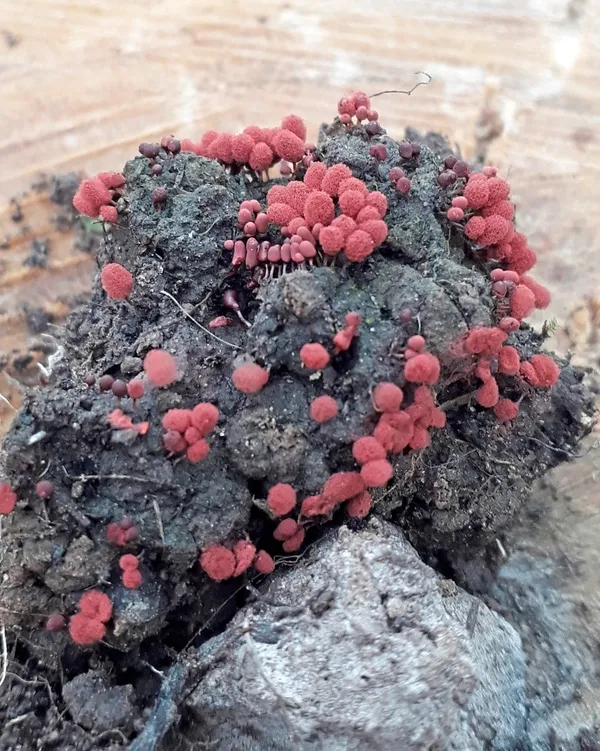
The ‘Guernsey Fungi and Lichen’ Facebook page is another great place to share your slime mould finds via photo. Your engagement will enhance Guernsey’s awareness of these unique members of our wildlife and the important ecological role the provide.
Challenges of identification
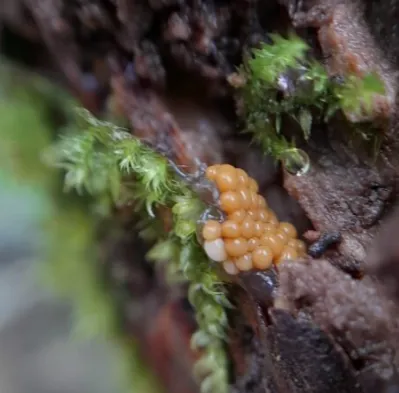
Identifying slime moulds can be difficult due to the lack of clear unique features among different species. Many show similar characteristics, and their appearance can change based on environmental factors. Molecular techniques and genetic analysis have become essential tools for accurately identifying and classifying slime moulds. However, there are some that you can have a go at identifying, such as this cotton candy slim mould.
Slime moulds – not a fungi
Whilst slime moulds share some similarities with fungi, such as their lifecycles and ecological roles, they are distinct organisms. Unlike fungi, which have cell walls made of chitin (a strong, fibrous carbohydrate), slime moulds have a more fluid structure without rigid cell walls in their structure. Additionally, slime moulds reproduce via spores, but their development and structures separate them from traditional fungi. They may even offer an insight into the evolutionary transition from single-celled to multicellular life.
Behaviour and intelligence
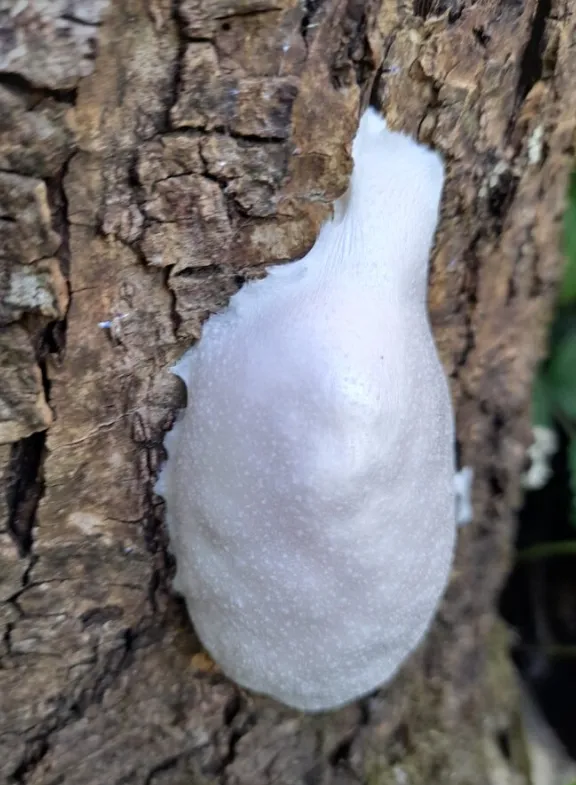
One of the most interesting features of slime moulds is their apparent ability to display complex behaviours, despite lacking a nervous system. Researchers have observed that plasmodial slime moulds can solve mazes, navigate towards food sources, and even make decisions based on environmental changes. A famous experiment demonstrated that the slime mould Physarum polycephalum could find the shortest path through a network of obstacles to reach food sources, suggesting levels of problem-solving and adaptability uncommon in simpler organisms.
Conclusion
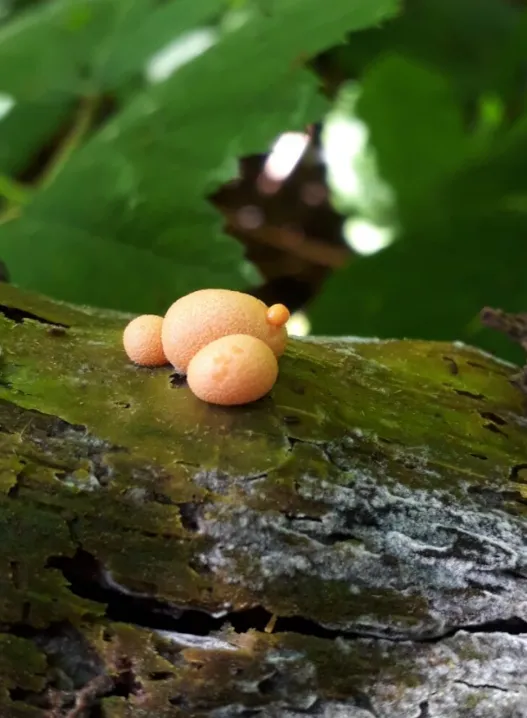
Slime moulds are a fascinating and complex organisms. They belong to a unique category of life that captures the imaginations of scientists and nature enthusiasts alike. Unlike animals and plants, slime moulds are part of the kingdom protista, which is home to a diverse range of lifeforms. They exist in various environments, particularly in moist woods, decaying matter, and leaf litter serving important ecological roles and brightening up some of nature’s darkest and dankest niches. So next time you find yourselves crunching through the leaf litter or strolling through the woods spare a thought for the secretive but essential world of the slime mould.









You need to be logged in to comment.